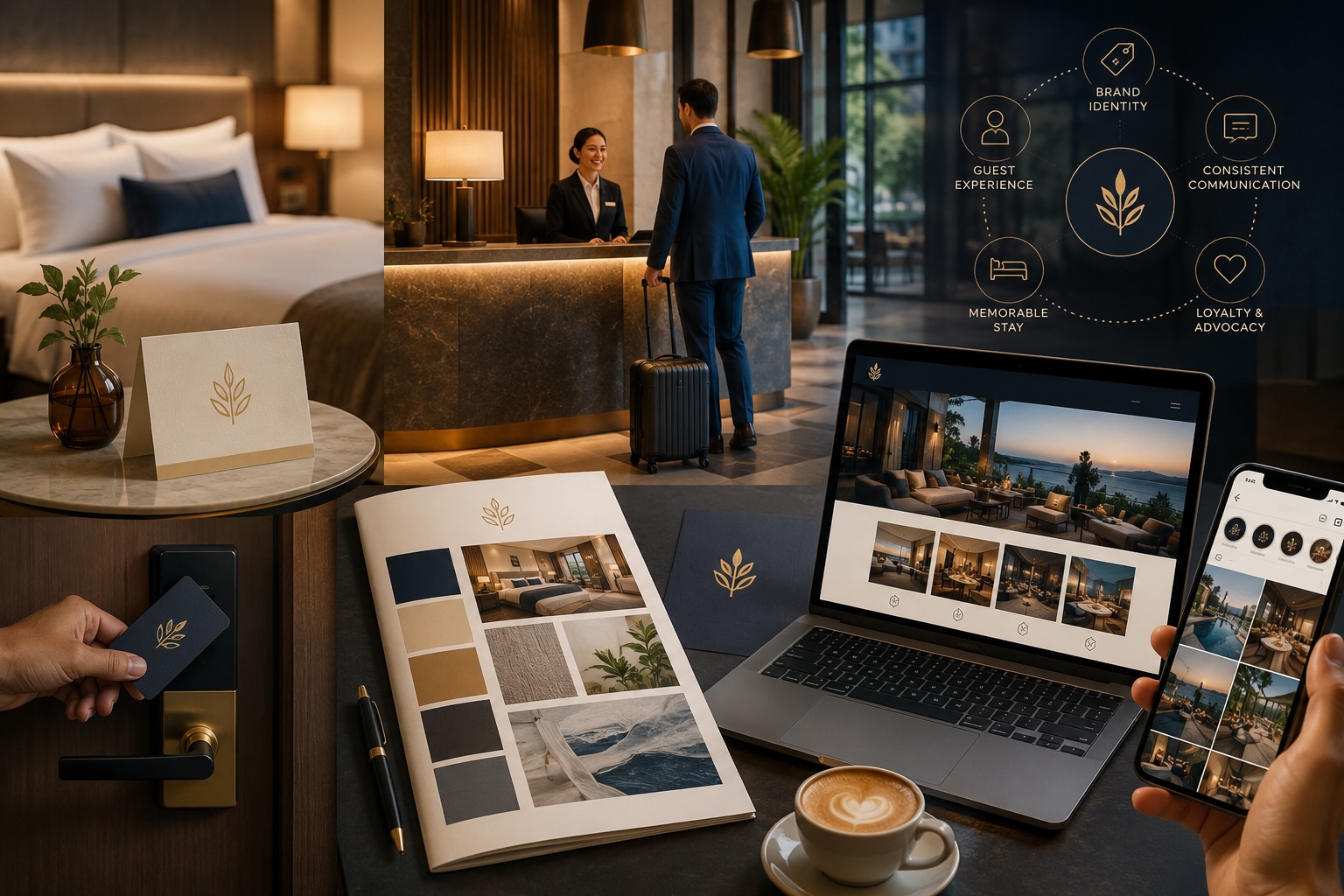
Quick Answer & Synopsis: Successful hotel branding goes beyond logos and visual design. A memorable hospitality brand combines a clear identity, consistent guest experience, targeted marketing strategy, and strong market positioning. Hotels that establish a distinct brand personality and deliver on their promises are more likely to attract loyal guests, generate positive reviews, and stand out in competitive markets.
Opening a hotel is only the beginning. Once the property is ready, the next challenge becomes attracting the right guests and building a brand that people remember long after their stay has ended.
Modern travelers are not simply booking rooms anymore, they are buying experiences, atmosphere, and identity. Before a guest ever arrives at your property, they have already formed expectations through your website, online reviews, social media presence, and overall branding.
That means successful hotel marketing is no longer just about advertising availability. It is about creating a consistent story around your hotel and communicating it clearly across every customer touchpoint.
Defining Your Hotel’s Brand Identity
Every successful hotel brand starts with a clear identity.
Before investing in advertising campaigns or social media strategies, hotel owners should understand exactly what type of experience they want guests to associate with the property. A luxury resort, for example, will communicate very differently than a boutique lifestyle hotel or a business-focused accommodation.
Your brand identity influences:
The strongest hotel brands create consistency between what guests see online and what they experience in person. When branding and guest experience align, hotels build trust much more quickly.
Your Website Is Your Digital Front Door
For many travelers, your hotel website will be the very first interaction they have with your business.
A poorly designed website can immediately reduce credibility, even if the property itself is exceptional. On the other hand, a professional and intuitive website creates confidence and helps potential guests imagine themselves staying there.
An effective hotel website should combine functionality with emotional appeal. Guests want to easily access information about rooms, amenities, pricing, and location, but they also want to feel something while browsing.
High-quality photography plays an enormous role here. Strong imagery helps travelers visualize the experience and often becomes the deciding factor in whether they continue exploring or leave the site.
Your website should also prioritize direct bookings. While Online Travel Agencies (OTAs) such as Booking.com and Expedia are valuable for exposure, they also take commission from every reservation.
Hotels that encourage direct bookings through their own booking engine often improve profitability while strengthening direct relationships with guests.
Many hotels incentivize direct bookings by offering:
Even small benefits can encourage guests to book directly instead of through third-party platforms.
Building a Strong Online Presence
Travelers now research extensively before making booking decisions. If your hotel lacks visibility online, potential guests may never discover your property at all.
At minimum, hotels should establish a strong presence across:
Your Google Business Profile is especially important because it affects visibility in both Google Search and Google Maps. Guests frequently compare ratings, reviews, and photos before visiting a hotel website directly.
Social media has also become a major component of hospitality branding. Platforms like Instagram and TikTok allow hotels to showcase not only rooms, but also atmosphere, experiences, food, design, and surrounding destinations.
A cohesive visual identity across all platforms helps reinforce brand recognition and professionalism.
Content Marketing & SEO for Hotels
Many hotels are now investing in content marketing as part of their long-term growth strategy.
Rather than only promoting rooms, hotels can position themselves as travel resources by creating useful content related to their location and guest experience. Articles about local attractions, seasonal events, travel tips, or nearby restaurants can help attract organic search traffic from travelers planning trips.
This type of content serves two important purposes:
It improves search engine visibility.
It builds trust before guests even make a reservation.
Search engine optimization (SEO) is particularly valuable in competitive hospitality markets. Ranking well for searches such as “best boutique hotel in Barcelona” or “family-friendly beach hotel” can drive highly qualified traffic directly to your website.
Over time, strong SEO can reduce dependence on paid advertising and OTAs.
Loyalty Programs & Guest Retention
Attracting guests is important, but retaining them is often even more valuable.
Returning guests tend to spend more, trust your brand more quickly, and often recommend the property to others. This is why loyalty programs continue to play such a major role within the hospitality industry.
Even independent hotels can implement simple loyalty strategies that encourage repeat bookings and long-term relationships.
Common approaches include:
Beyond discounts, personalization itself has become one of the most effective forms of guest retention.
Travelers increasingly appreciate hotels that remember preferences, acknowledge special occasions, or tailor recommendations to their interests. These details create stronger emotional connections and help guests feel valued rather than processed.
Reputation Management & Guest Reviews
Online reviews now influence hotel booking decisions more than almost any traditional form of advertising.
Before booking, most travelers will read reviews on platforms such as:
For that reason, reputation management should be treated as an active part of hotel operations rather than an afterthought.
Responding professionally to both positive and negative reviews demonstrates attentiveness and accountability. Guests often judge a hotel not only by the complaints it receives, but by how management responds to them publicly.
More importantly, reviews provide direct insight into operational strengths and weaknesses. Hotels that consistently analyze feedback and adapt accordingly are often able to improve guest satisfaction far more effectively over time.
Marketing Is an Ongoing Process
One of the biggest misconceptions in hospitality is that branding and marketing are tasks completed during the opening phase. In reality, they are continuous processes that evolve alongside the hotel itself.
Guest expectations change, digital platforms evolve, and market competition constantly shifts. Successful hotels continue refining their communication, improving their online presence, and adapting their guest experience long after opening day.
Ultimately, effective hotel marketing is not just about visibility. It is about creating a memorable identity that guests trust, recognize, and recommend.
When branding, guest experience, and communication all work together cohesively, your hotel becomes far more than simply a place to stay, it becomes a brand people actively seek out.
Questions About Hospitality Tech Products?
Feel free check out our full range of hospitality technology products, or contact our hospitality technology products team directly. We’re happy to address your inquiries and point you in the right direction.