When selecting televisions for a commercial environment, it’s easy to assume that all TVs are essentially the same. After all, modern displays, whether purchased from a retail store or a commercial supplier, often look nearly identical in terms of picture quality and design, especially to the untrained eye.
It's fair to say that they generally have the same visual specs on a superficial level as far as a viewing experience is concerned.
However, looking "under the hood", there are critical differences between Pro:Idiom TVs and standard consumer TVs. These differences impact everything from how content is delivered and secured to how easily systems can be managed at scale. For hotels, healthcare facilities, and other multi-room environments, choosing the wrong type of TV can lead to unnecessary costs, operational challenges, and even compliance issues.
This comparative guide takes a balanced look at both options, combining clear explanations with practical comparisons. The goal is to help you determine which solution is right for your environment.
What Is a Pro:Idiom TV?
A Pro:Idiom TV is a commercial-grade television equipped with built-in Pro:Idiom digital rights management (DRM) technology. This functionality allows the TV to securely decrypt encrypted cable and satellite signals directly, without the need for an external set-top box.
In commercial environments, content is typically distributed from a central system (often referred to as a headend) to multiple TVs throughout a property. Because that content is encrypted, each television must be authorized to decode it. Pro:Idiom technology enables this process to happen seamlessly within the TV itself.
The result is a streamlined, secure, and scalable solution that meets the strict requirements of content providers while simplifying infrastructure for the business.
What Are Consumer TVs?
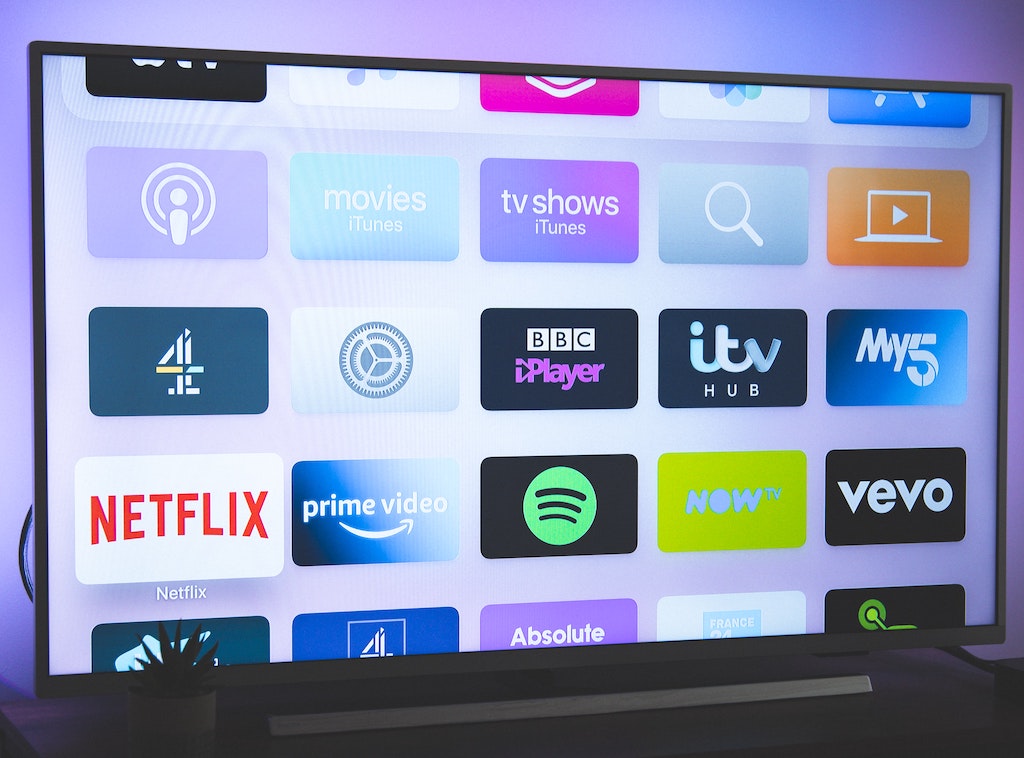
Consumer TVs are designed for residential use, where each television operates independently. They are optimized for relative affordability, ease of use, and access to built-in streaming platforms like Netflix or YouTube.
While these features are ideal for home environments, consumer TVs are not built to handle centralized content distribution or commercial-grade security requirements. As a result, when used in multi-room settings, they often require additional hardware and manual configuration to function properly.
This fundamental difference in design purpose is what separates consumer TVs from Pro:Idiom models.
Additionally, consumer TVs are not meant to run for the amount of hours that hospitality TVs are. This means that "saving" on the initial spend when acquiring consumer TVs for commercial use will ultimately be more costly, as the TV is not built to withstand the heavy use of a television that is in a hotel room, for example.
Key Differences Between Pro:Idiom TVs and Consumer TVs
To understand why Pro:Idiom TVs are the standard in hospitality and healthcare environments, it’s helpful to look at the specific areas where they differ from consumer TVs.
1. Content Security and Compliance
The most important distinction between these two options is how they handle content security.
Pro:Idiom TVs:
Include built-in DRM for secure content decryption
Fully comply with content provider requirements
Allow direct access to encrypted cable and satellite programming
Consumer TVs:
Do not support Pro:Idiom or similar commercial DRM systems
Require external devices to access encrypted content
May introduce compliance risks depending on how they are used
In commercial settings, secure content delivery is not optional. Without Pro:Idiom tech, accessing premium channels can become complicated, or even restricted entirely.
2. Hardware and Installation
Installation is another area where the differences quickly become apparent.
Pro:Idiom TVs simplify deployment by eliminating the need for external cable boxes. Each TV connects directly to the distribution system and handles decryption internally. This leads to a cleaner setup with fewer components and less wiring.
Consumer TVs, on the other hand, typically require:
A cable box or streaming device for each TV
Additional power connections
More complex wiring and mounting configurations
While manageable in small setups, this added complexity can become a major challenge in larger installations.
3. Scalability and Centralized Management
As deployments grow, the ability to manage TVs efficiently becomes increasingly important.
Pro:Idiom TVs are built for scale, offering features such as:
Centralized channel management
Remote configuration and updates
Consistent settings across all rooms or units
Consumer TVs lack these capabilities. Each unit must be set up and maintained individually, which can be time-consuming and prone to inconsistencies. Even small changes, like updating a channel lineup, can require manual adjustments on every TV.
For facilities with dozens or hundreds of screens, this difference has a significant impact on operational efficiency.
Compare making one update that synchs to 100 hotel room TVs vs the same update 100 times for the 100 hotel room TVs individually. It's a no-brainer.
4. Guest Experience
The end-user experience is another key consideration, particularly in hospitality environments.
Pro:Idiom TVs provide a seamless viewing experience. Guests can turn on the TV and immediately access available channels without switching inputs or managing multiple remotes. Many systems also support customized interfaces, allowing businesses to reinforce branding and provide useful information directly on-screen.
Consumer TVs, especially when paired with external devices, often create a more fragmented experience. Guests may need to:
These small inconveniences can add up, affecting overall satisfaction and perceived quality of the stay.
5. Long-Term Cost and Reliability
While consumer TVs typically have a lower upfront cost, they can become more expensive over time when used in commercial environments.
Additional costs often include:
External hardware for each TV
Increased installation labor
Ongoing maintenance and troubleshooting
Shorter lifespan under continuous use
Pro:Idiom TVs are designed for durability and long-term performance. As mentioned before, although the initial investment is higher, the reduced need for extra hardware and simplified maintenance often lead to a lower total cost of ownership.
When Should You Choose Pro:Idiom TVs?
Pro:Idiom TVs are the preferred choice for any environment where secure, centralized content distribution is required. This includes:
Hotels and resorts
Hospitals and healthcare facilities
Senior living communities
Student housing and multi-unit properties
In these settings, Pro:Idiom is not just a convenience, it’s often a necessity for delivering premium content legally and efficiently.
Are Consumer TVs Ever the Right Choice?
Consumer TVs can still be suitable in certain limited scenarios, particularly where scale and security are not major concerns.
They may work well for:
Small offices or single-room setups
Waiting areas without premium channel needs
Temporary installations with minimal infrastructure
However, even in these cases, it’s important to consider future growth. What works for a handful of TVs today may not be sustainable as needs expand.
Pro:Idiom TVs and consumer TVs may appear similar at a glance, but they are designed for entirely different purposes. Consumer TVs prioritize convenience and affordability for individual use in homes. Meanwhile Pro:Idiom TVs are engineered for secure, scalable, and efficient performance in commercial environments.
For organizations that need to deliver a consistent, high-quality viewing experience across multiple rooms, Pro:Idiom TVs offer clear advantages in security, simplicity, and long-term value.
Ultimately, the decision isn’t just about choosing a television, it’s about selecting the right infrastructure to support your operations now and into the future.
Questions About Pro:Idiom Technology in Hospitality TVs?
If you have any questions regarding Pro:Idiom technology or our hospitality television products, contact our hotel technology experts directly. We're happy to help clarify any details.