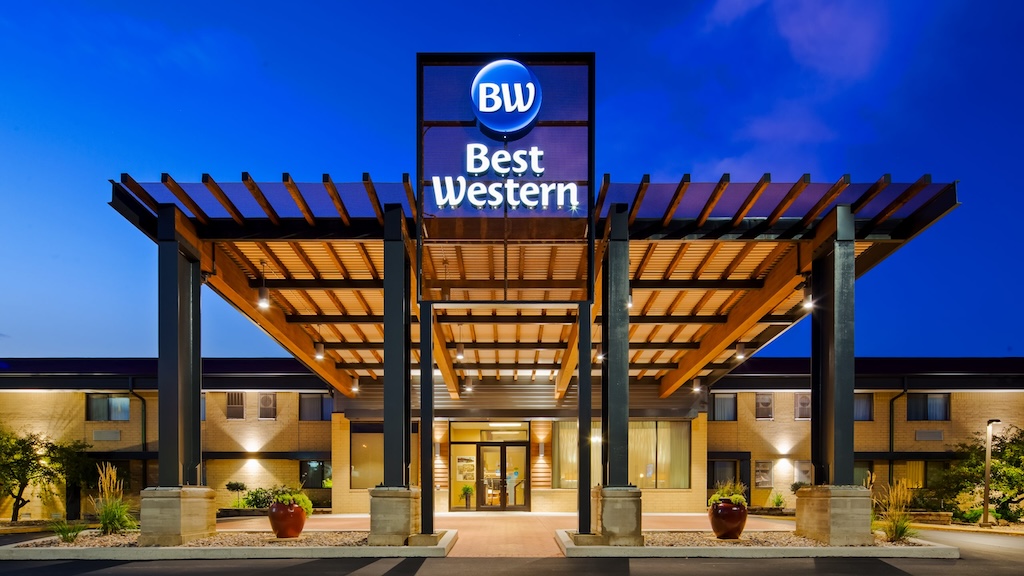
As one of the most globally recognized hospitality brands, Best Western Hotels & Resorts operates a wide range of properties across economy, midscale, and upscale segments, including Best Western, Best Western Plus, and Best Western Premier. With thousands of independently owned and operated properties worldwide, maintaining consistent hospitality technology standards is essential to preserving brand identity and delivering reliable guest experiences.
Hospitality technology, encompassing televisions, HVAC systems, appliances, and in-room accessories, directly impacts guest comfort, online reviews, and operational efficiency. In today’s competitive lodging environment, guests expect seamless streaming, reliable climate control, and modern in-room amenities. For owners and operators, aligning with Best Western’s technology standards helps avoid compliance deficiencies, reduce maintenance costs, and protect long-term asset value.
This guide breaks down the current hospitality technology brand standards for Best Western properties in 2026.
Best Western Hotels & Brands
Best Western Hotels & Resorts operates 18 hotel brands across luxury, upscale, midscale, economy, and extended-stay segments. The company is structured as a member-owned hotel cooperative, and many of its brands are designed to serve different market tiers.
Below is a list of Best Western hotel brands by segment.
Upper Upscale & Luxury
WorldHotels Luxury
WorldHotels Elite
Upscale
WorldHotels Distinctive
Best Western Premier
Vīb
Aiden by Best Western
Sadie Best Western
Upper Midscale
Midscale
Economy
Extended Stay / Apartments
Collection & Soft Brands
BW Signature Collection
BW Premier Collection
Hospitality TVs & In-Room Entertainment Standards
In-room entertainment is considered a core expectation rather than a luxury. Guests now travel with multiple personal devices and expect to stream their own content, mirror screens, and enjoy high-definition displays with minimal friction. As a result, Best Western requires hospitality-grade television systems that support modern connectivity while maintaining operational reliability.
Unlike consumer retail TVs, hospitality TV models are built for extended daily operation, secure firmware management, centralized configuration, and long lifecycle availability. They are designed specifically for hotel environments where durability, security, and remote diagnostics are critical.
Television standards are not solely about screen size, they encompass content security, casting capability, ease of management, and guest usability. Installing compliant hospitality TVs ensures consistency across properties and supports the overall guest experience.
Best Western Hospitality TV Requirements
Best Western properties should install TVs that:
Are commercial-grade hospitality models, not consumer retail units.
Support casting or streaming connectivity for guest devices.
Include secure firmware and hotel-mode features that prevent unauthorized content or settings changes.
Meet brand-appropriate screen size and resolution standards suited to the room type and tier.
Offer remote management tools for firmware updates and diagnostics.
TVs from hospitality-focused manufacturers such as LG, Samsung, and Philips are frequently specified, because they deliver the durability, firmware control, and extended support lifecycles required by brand standards.
Selecting approved hospitality televisions ensures consistent guest experiences, minimizes maintenance calls, and avoids common compliance gaps seen when consumer TVs are installed in hotel settings.
PTAC Units & HVAC Standards: Guest Comfort & Efficiency
Climate control is one of the most influential factors in guest satisfaction. Temperature consistency, air quality, and noise levels all contribute to a guest’s ability to rest comfortably. Poor HVAC performance can quickly result in negative reviews and increased maintenance costs.
For this reason, Best Western requires hospitality-grade PTAC (Packaged Terminal Air Conditioner) systems or equivalent HVAC solutions that are engineered for high-occupancy environments. These systems must balance energy efficiency with performance reliability and low operational noise.
Unlike residential HVAC equipment, commercial PTAC units are built for extended runtime, repeated cycling, and easier servicing. Selecting compliant units ensures properties meet both guest comfort expectations and operational efficiency goals.
Best Western PTAC & HVAC Requirements
Approved PTAC and HVAC systems for Best Western properties must deliver:
Reliable, energy-efficient heating and cooling performance suitable for a wide range of climate zones.
Quiet operation to enhance guest comfort and avoid noise complaints.
Components designed for continuous commercial use rather than residential products.
Compatibility with smart or programmable thermostats where required by brand guidelines.
PTAC units selected for Best Western Hotels should be engineered for heavy duty, frequent cycling, and ease of service access. Hospitality-rated units help reduce service calls and prolong lifecycle performance while providing consistent comfort for guests.
Energy efficiency is also increasingly important for operational cost containment and sustainability goals, a standard Best Western properties strive to meet.
Guest Room Appliances: Durability, Safety & Performance
Guest room appliances may seem like small details, but they significantly influence the perceived comfort and convenience of a stay. Refrigerators, coffee makers, and microwaves are often used daily by guests and must perform reliably under constant turnover conditions.
Best Western brand standards emphasize hospitality-rated appliances because they are engineered to withstand higher usage levels, stricter electrical standards, and frequent cleaning routines. Residential units, while lower in initial cost, are not designed for commercial hotel environments and often fail prematurely.
Choosing compliant appliances improves operational reliability, reduces maintenance interruptions, and ensures brand consistency across properties.
Best Western Guest Room Appliance Standards
Best Western properties should equip guest rooms with:
Hospitality-rated refrigerators and beverage coolers sized appropriately for room types.
Coffee makers and beverage systems that meet electrical safety codes and brand expectations.
Microwaves or compact kitchen appliances where specified by room type or brand tier.
Other commercial-grade appliances that meet durability and reliability expectations.
Hospitality appliances are engineered to withstand frequent usage, robust cleaning routines, and the electrical demands of a multi-guest environment. Selecting brand-approved equipment reduces the risk of premature failure, warranty issues, and guest complaints.
Accessories & Installation Hardware: Compliance & Guest Safety
While major equipment like TVs and HVAC systems receive the most attention, accessories and mounting hardware are often cited in compliance reviews when improperly specified. Improper brackets, non-certified power strips, or unsecured cabling can create safety hazards and negatively affect room presentation.
Best Western brand standards require in-room accessories and installation components that meet commercial safety guidelines and ensure secure integration with in-room technology systems.
Well-installed hardware not only protects guests and equipment but also supports a clean, professional aesthetic that aligns with brand expectations.
Best Western Accessories & Hardware Requirements
Best Western properties should install:
Hospitality-rated TV mounts and brackets that provide secure, tamper-resistant installation.
Power accessories and charging stations that comply with fire and electrical safety codes for hotel environments.
ADA-compliant controls and in-room hardware where mandated by accessibility standards.
Proper cable management and integration aligned with structured technology infrastructure.
Hospitality-grade mounts and accessories minimize liability risks, protect equipment, and support a clean, professional room appearance.
Common Technology Requirements in a Best Western Property
Technology compliance in Best Western properties is typically reviewed during renovations, rebranding efforts, or quality assurance inspections. Even when equipment is operational, it must align with current hospitality-grade standards to ensure brand consistency and guest satisfaction.
Brand representatives commonly evaluate whether technology systems are commercial-rated, properly installed, and suitable for long-term hotel use. Equipment that does not meet these criteria may be flagged for upgrade or replacement.
Having documented specifications and supplier verification readily available streamlines compliance reviews and helps avoid delays.
Best Practices for Best Western Hospitality Technology Compliance
Successful compliance begins with proactive planning. Property owners who review brand specifications before procurement significantly reduce the risk of installation corrections or rework during inspections.
To ensure compliance with Best Western Hotels technology standards:
Select hospitality-grade equipment designed for commercial use rather than consumer products.
Verify model specifications and firmware requirements with brand engineering before procurement.
Document installations and brand specifications to support inspections or compliance reviews.
Work with suppliers experienced in hotel brand standards to avoid specification errors.
Plan infrastructure upgrades early, especially for TVs, climate control, and smart installations.
A proactive approach protects operational efficiency and enhances guest satisfaction.
Delivering Consistent Experience Across Best Western Brands
Best Western Hotels hospitality technology brand standards are designed to ensure reliability, safety, and consistent guest experiences across diverse markets and brand tiers.
By implementing compliant hospitality TVs, energy-efficient PTAC systems, durable appliances, and commercial-grade accessories, Best Western properties can:
Improve guest comfort and satisfaction
Reduce maintenance disruptions
Avoid compliance deficiencies
Protect long-term asset value
From entertainment systems to climate control and installation hardware, every technology component plays a role in delivering a dependable and comfortable stay that aligns with Best Western brand expectations.
Questions About Hospitality Tech Products?
If you have any additional questions about the different hotel technology brand standards, particularly with hospitality TVs, feel free to reach out to our hotel tech experts directly.
Supplemental Info: If you're considering opening a hotel, we put together the Ultimate Guide to Opening a Hotel that covers all of the bases for this huge endeavor.