Providing optimal comfort to your hotel guests is paramount in the hospitality industry. It’s synonymous with the purpose of the entire space. In fact, the word hospitality itself means “the friendly and generous reception and entertainment of guests, visitors, and / or strangers.” A key part of that experience is ensuring guests feel at home, and one of the fastest ways they notice that comfort is through room temperature, air quality, and climate control.
In most hotels, climate control is delivered through hospitality PTAC units (Packaged Terminal Air Conditioners) and similar AC and HVAC systems. These systems provide a reliable, room-by-room solution that allows guests to control their own environment. With a wide range of manufacturers, unit models,, efficiency levels, and features available, it’s essential to define what matters most to your property before making an investment.
This buyer’s guide outlines the most important considerations when selecting hotel PTAC and AC units, helping you balance guest comfort, operational efficiency, and long-term cost.
What Does PTAC Mean?
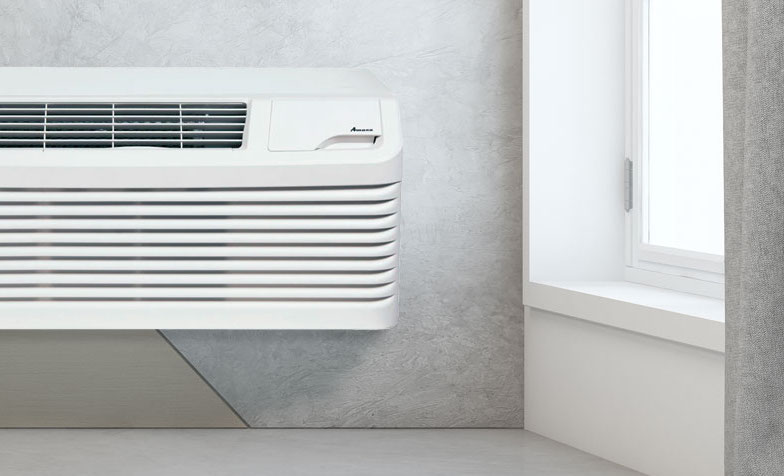
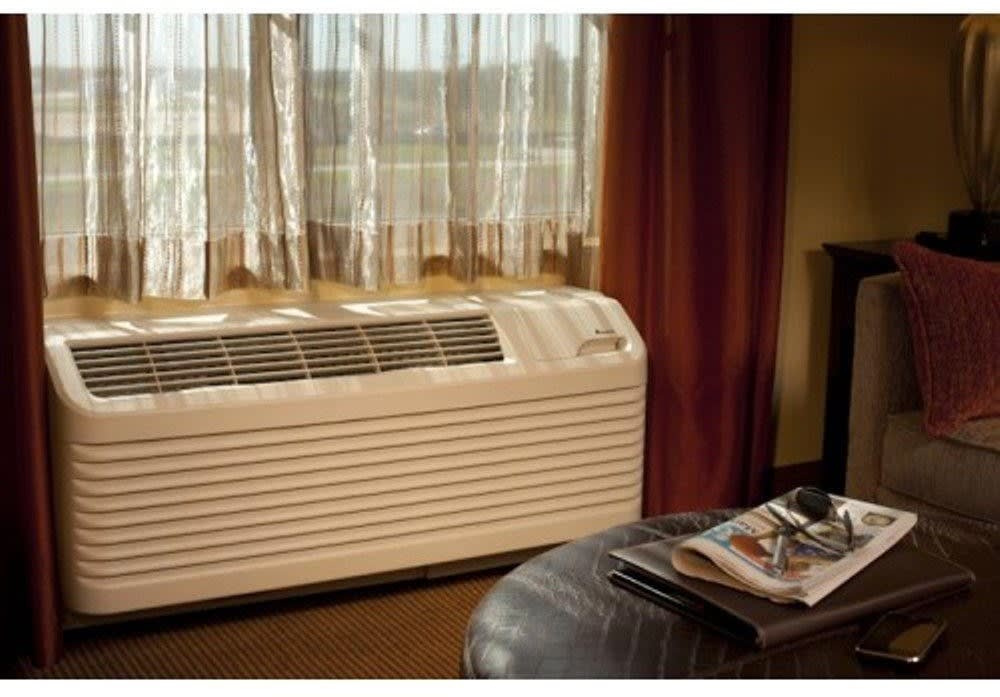
PTAC stands for Packaged Terminal Air Conditioner, a self-contained HVAC unit typically installed through an exterior wall. These systems are widely used across hospitality and multi-unit properties, because they offer independent temperature control without centralized ductwork.
You’ll commonly find PTAC units in:
Types of Hospitality PTACs: Resistance vs Heat Pump
When evaluating PTAC systems, one of the first decisions is choosing between resistance (electric heat) and heat pump technology. While both serve the same purpose, they operate differently and impact long-term costs.
Resistance PTAC units use electric coils to generate heat. They typically come with a lower upfront cost, making them appealing for properties with tighter budgets or in warmer regions where heating demand is minimal. However, they are generally less energy efficient and often result in higher utility costs over time.
Heat pump PTAC units transfer heat rather than generating it, which makes them more energy efficient, especially in moderate climates. While the initial investment may be higher, they often provide long-term savings through reduced energy consumption.
Electric Heat vs Heat Pump PTACs in a Nutshell:
Cost of Hospitality PTAC Units
Budget is often the first consideration when selecting hotel air conditioning units. A single PTAC unit typically ranges from $625 to $1,000+, depending on brand, capacity, and features.
Key cost drivers include:
Brand (GE, Amana, Mitsubishi)
BTU capacity
Energy efficiency (EER rating)
Additional features (digital controls, occupancy sensors, etc.)
For hospitality operators purchasing in bulk, pricing becomes significantly more favorable. At TWS Transworld, volume purchasing allows properties to secure competitive pricing across large orders, making it easier to upgrade multiple rooms at once.
Room Size and BTU Requirements
Choosing the correct PTAC unit size is essential for maintaining comfort and efficiency. Capacity is measured in BTUs (British Thermal Units), which determine how effectively a unit can heat or cool a space.
As a general guideline:
200 – 400 sq ft: 7,000–9,000 BTU
400 – 700 sq ft: 9,000–12,000 BTU
700+ sq ft: 12,000–15,000+ BTU
Selecting the wrong size can lead to performance issues. Undersized units struggle to maintain temperature and humidity, while oversized units cycle too frequently, reducing efficiency and lifespan. Proper sizing ensures consistent comfort and optimal energy use.
Energy Efficiency and Operating Costs
Energy efficiency is one of the most important long-term considerations for PTAC systems. These units run frequently, and even small improvements in efficiency can significantly reduce operating costs.
The key metric to evaluate is the Energy Efficiency Ratio (EER). A higher EER indicates a more efficient unit, meaning it delivers the same level of cooling while consuming less energy.
Benefits of higher-efficiency PTAC units include:
For many properties, investing in energy-efficient models upfront pays off over the life of the equipment.
Noise Levels and Guest Experience
Guest comfort extends beyond temperature. Noise levels can significantly impact sleep quality and overall satisfaction, making quiet operation a critical factor.
Modern systems from manufacturers like GE Appliances and Amana are designed with quieter performance in mind, incorporating improved fan motors and airflow systems.
To minimize noise, consider:
A quieter PTAC unit contributes directly to better guest experiences and stronger reviews.
Installation Considerations
Proper installation plays a major role in how well a PTAC unit performs over time. Beyond selecting the right model, it’s important to ensure compatibility with your building’s infrastructure.
Key installation factors include:
Wall sleeve dimensions and compatibility
Electrical requirements (208/230V or 265V)
Drainage and moisture management
Adequate airflow clearance
Working with experienced providers helps ensure each unit is installed correctly, maximizing both efficiency and lifespan.
GE PTAC Buyer’s Guide
GE Appliances has established itself as a leading manufacturer in the hospitality PTAC market, particularly through its Zoneline series. These units are widely used across major hotel chains due to their reliability, consistency, and strong support network.
GE PTAC units are often chosen by properties that prioritize long-term durability and ease of maintenance. Their widespread adoption means parts are readily available and service technicians are familiar with the systems.
Key advantages include:
Proven reliability and longevity
Strong parts availability and service network
Advanced controls and consistent performance
They are particularly well-suited for larger hotel groups that value standardization across properties, even if the upfront investment is slightly higher.
Amana PTAC Buyer’s Guide
Amana is another leading name in the PTAC space, known for delivering strong performance with a focus on energy efficiency and value. Its DigiSmart technology platform helps properties manage energy usage more effectively while maintaining guest comfort.
Amana PTAC units are often selected by operators looking to balance upfront cost with long-term efficiency gains.
Key advantages include:
For many mid-scale and independent hotels, Amana offers a compelling combination of performance and cost-effectiveness.
Choosing the right hospitality PTAC system comes down to balancing several key factors, including budget, room size, energy efficiency, noise levels, and brand preference. Each property has unique requirements, and the best solution depends on how these elements align with your operational goals.
By carefully evaluating these considerations, hotel operators can invest in PTAC systems that enhance guest comfort while improving efficiency and controlling long-term costs.
To learn more about available options, bulk pricing, and expert recommendations, contact our hospitality HVAC experts. Our team works closely with hospitality operators to identify the right PTAC and AC solutions for their specific needs, ensuring a balance of comfort, performance, and value.