We are continuing our series on hotel technology brand standards with a focused deep dive into hospitality PTAC units and thermostat energy management systems. This guide consolidates insights from our hospitality technology specialists, outlining how major hotel groups, and the brands under their corporate umbrellas, approach PTAC and thermostat standards in 2026.
At its core, this topic is about consistency, comfort, and control. Every hotel aims to deliver a unique guest experience, but certain expectations remain universal, particularly when it comes to room climate. Whether a guest stays at a Hilton property in Miami, San Francisco, San Antonio, or New York, the expectation is the same: intuitive controls, reliable performance, and a consistent in-room experience that aligns with brand identity.
At the same time, thermostat and PTAC technology has evolved far beyond basic heating and cooling. Modern systems now function as intelligent energy management tools, capable of adapting to occupancy patterns, integrating with property-wide systems, and reducing operational costs without compromising guest comfort.
Note: This is not a complete list of all the individual hotel brands. If you’d like to inquire about specific brands that do not have all the hospitality PTACs and thermostats details below, please contact us directly. We are happy to help clarify and provide further information.
The Evolution of PTAC & Thermostat Technology in Hospitality
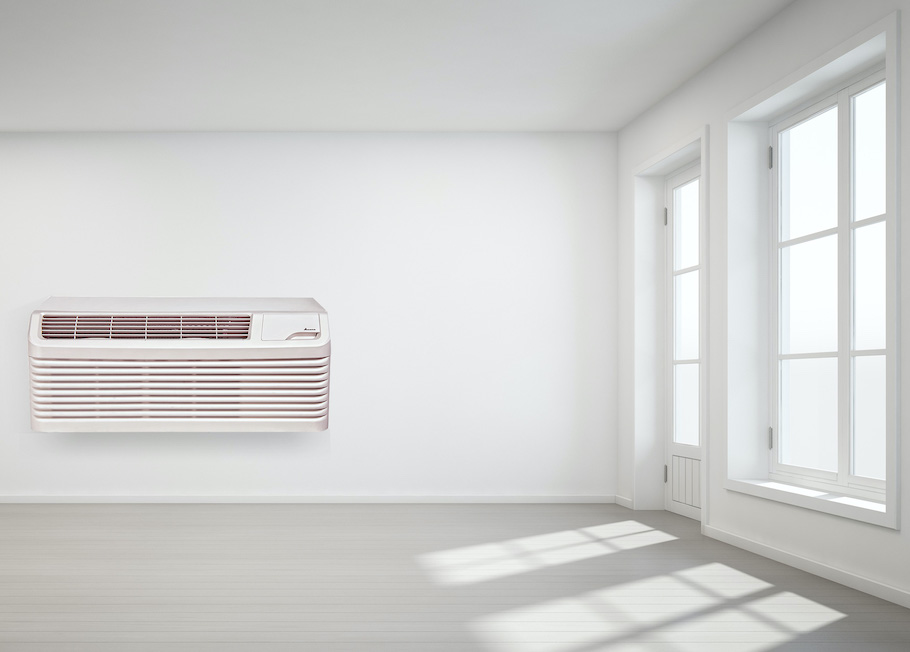
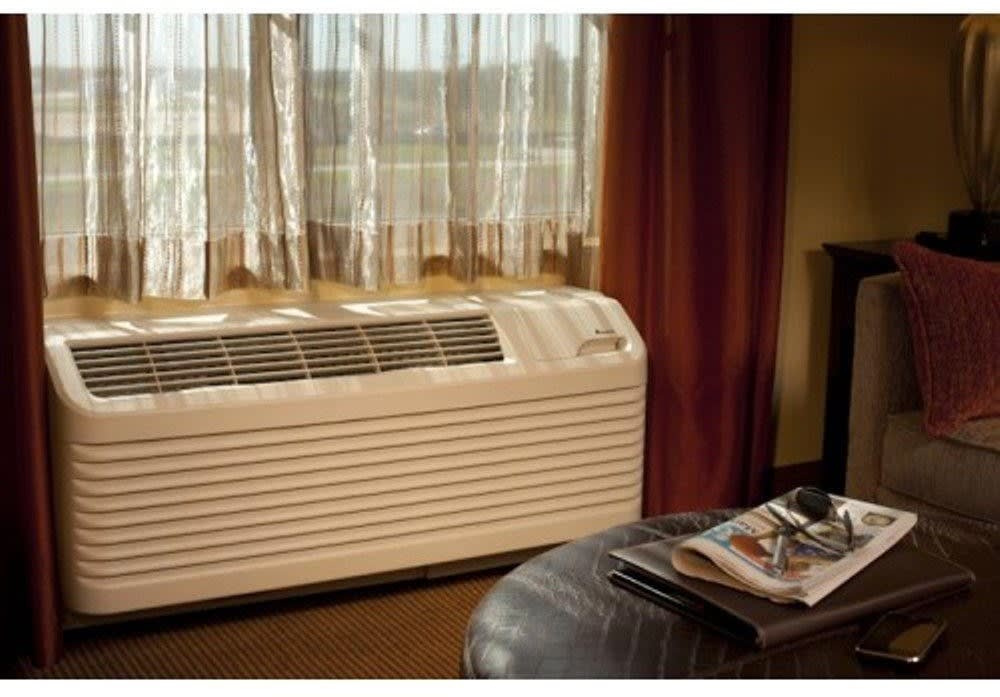
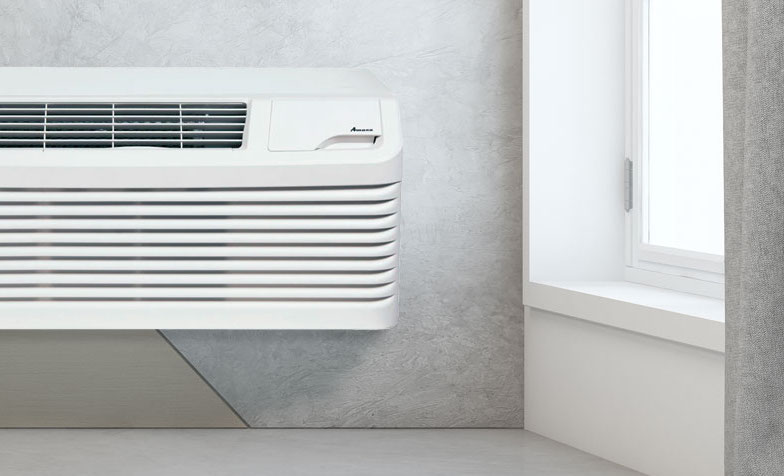
Historically, PTAC (Packaged Terminal Air Conditioner) units were standalone systems focused purely on climate delivery. Today, they are increasingly part of a broader connected ecosystem.
Modern thermostat systems now include:
Occupancy and motion sensing that automatically adjusts temperature when rooms are vacant
Integration with mobile apps and guest-facing platforms
Connectivity with property management systems (PMS) and energy management systems (EMS)
Remote monitoring and centralized control for hotel operators
These innovations transform thermostats from simple control devices into strategic operational assets. Hotels can now reduce energy waste, monitor usage patterns, and optimize performance across entire portfolios.
Why Is Maintaining PTAC & Thermostat Brand Standards Beneficial to Hotels?
Setting and adhering to brand standards for PTACs and thermostats in hospitality environments brings benefits that directly influence overall guest comfort, operational efficiency, and long-term profitability.
Guest Comfort & Experience
Climate control is one of the most immediate and noticeable aspects of a hotel stay. Guests expect rooms to reach and maintain comfortable temperatures quickly, operate quietly, and provide intuitive controls. When these expectations are met consistently across properties, it reinforces trust in the brand.
Brand-standard PTACs and thermostats ensure that a guest’s experience in one location mirrors another, eliminating variability that could negatively affect reviews or loyalty.
Energy Efficiency & Cost Management
Energy consumption is one of the largest operational expenses in hospitality. Brand-approved systems are designed with efficiency at the forefront, often incorporating occupancy-based setbacks, scheduling logic, and smart integrations.
For example, when a guest leaves the room, the system can automatically adjust temperature settings to reduce energy use. Over time, these incremental savings translate into significant cost reductions, especially across large portfolios.
Brand Consistency & Compliance
Hotel brands enforce strict standards to maintain uniformity in both aesthetic and functional performance. This includes approved PTAC models, thermostat systems, and integration capabilities.
Failure to comply can result in:
Adhering to these standards ensures seamless alignment with brand expectations and simplifies future renovations or upgrades.
Operational Reliability & Lifecycle Value
Hospitality environments demand equipment that can withstand constant use. Brand-approved PTACs and thermostats are engineered for durability, serviceability, and long-term performance.
This leads to:
Reduced maintenance frequency
Faster servicing and part replacement
Better warranty support
Extended equipment lifespan
Ultimately, investing in the right systems upfront minimizes downtime and maximizes return on investment.
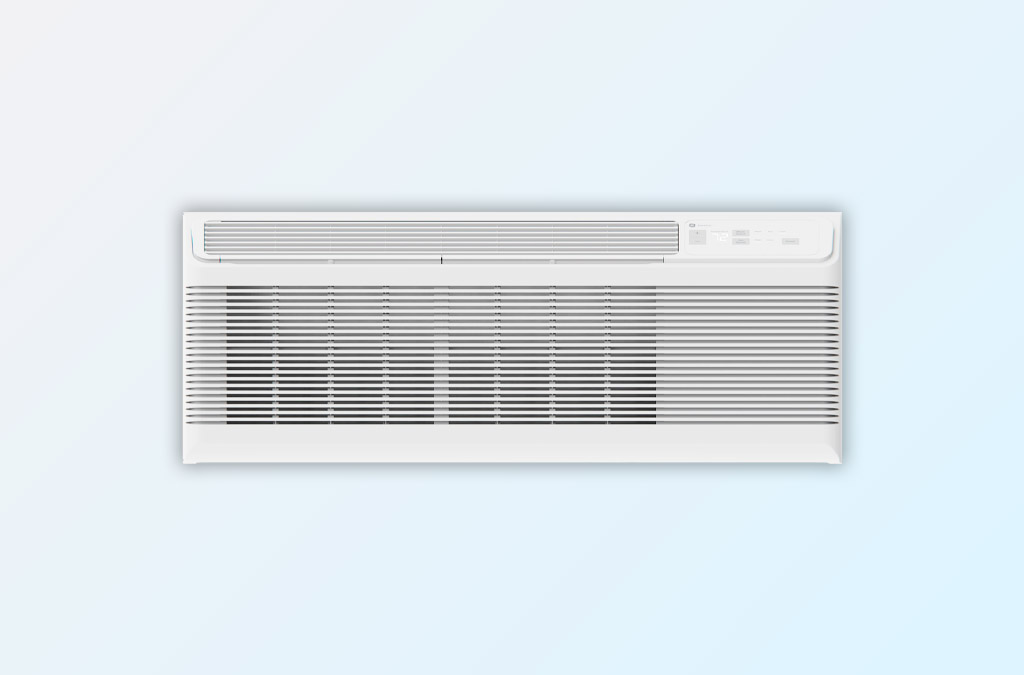
Brand Standards by Major Hotel Groups (2026)
Below is a breakdown of how leading hotel groups approach PTAC and thermostat standards, along with key requirements and strategic direction.
Hilton Hotels & Resorts
Hilton continues to push toward a fully connected in-room experience through its “Connected Room” initiative. This platform integrates multiple room technologies into a single, seamless ecosystem.
For PTACs and thermostats, Hilton requires:
Integration with the Connected Room platform
Use of Verdant wired thermostats for new builds
Future consideration of wireless thermostat solutions for retrofits
The emphasis here is on guest control and personalization. Guests can adjust room temperature through mobile devices or in-room interfaces, creating a more modern and convenient experience. Hilton’s approach signals a broader shift toward IoT-enabled hospitality environments.
IHG Hotels
IHG is aligning its thermostat standards with its broader digital ecosystem, particularly through IHG Studio, a platform designed to enhance guest interaction with room controls.
Current standards include:
Verdant EMS (Energy Management Systems), both wired and wireless
Support for standalone and networked configurations
Future integration with IHG Studio for app-based temperature control
IHG is also allowing flexibility during transition:
This phased approach reflects a balance between innovation and practical deployment timelines, especially for retrofit properties.
Marriott Hotels
Marriott’s standards reflect a strong emphasis on smart technology integration and interoperability.
Key requirements include:
Smart thermostats for all new renovations
Verdant standalone and networked thermostats for retrofits
Integration between thermostats and door lock systems in new builds
One notable feature is the use of Zigbee-enabled technology (e.g., via Telkonet), which allows thermostats and door locks to communicate. This enables advanced automation, such as adjusting room temperature based on occupancy detected through door access.
Marriott’s approach highlights a move toward fully synchronized room environments, where multiple systems work together to optimize both comfort and efficiency.
Wyndham
Wyndham maintains a more flexible but still structured approach, allowing:
This flexibility is particularly beneficial for franchise-heavy portfolios, where properties may vary widely in age, layout, and technical infrastructure. Wyndham’s standards strike a balance between consistency and adaptability.
Hyatt Hotels
Hyatt’s PTAC and thermostat standards closely align with Wyndham’s, emphasizing:
Hyatt properties often vary from boutique-style hotels to large luxury resorts, so their approach prioritizes flexibility while maintaining performance consistency.
Choice Hotels
Choice Hotels follows a similar model, supporting:
Given Choice’s broad portfolio, which includes economy and midscale brands, their standards focus on cost-effective efficiency without sacrificing reliability.
TRU Hotels by Hilton
Tru by Hilton, as a newer and more design-forward brand, has more specific PTAC requirements tied to its standardized room layouts.
Requirements include:
Interestingly, there are no fixed unit size requirements, as room configurations can vary. However, the emphasis is on ensuring systems integrate cleanly into the brand’s modern, space-efficient design philosophy.
Important Note:
This is not an exhaustive list of every hotel brand and their individual requirements. Standards may vary depending on:
Brand tier (economy, midscale, luxury)
Property type (new build vs. retrofit)
Geographic and climate considerations
For brands not listed here, or for detailed specifications, direct consultation is recommended.
The Importance of Maintaining PTAC and Thermostat Brand Standards
PTAC and thermostat standards have become a critical component of modern hospitality strategy. What was once considered a basic utility is now a key driver of guest satisfaction, operational efficiency, and brand consistency.
By aligning with brand-approved systems, hotels can:
Deliver consistent and comfortable guest experiences
Reduce energy consumption and operational costs
Ensure compliance with brand requirements
Extend the lifespan and reliability of their equipment
As hotel technology continues to evolve, the integration between PTAC units, thermostats, and broader property systems will only deepen. Forward-thinking operators who invest in these systems today are not just meeting standards, they are future-proofing their properties.
Questions About PTAC / AC Units, Thermostats, or Hospitality Tech Products?
If you have questions about hospitality technology products, specific brand requirements, product compatibility, or implementation strategies, feel free to explore our full range of hospitality technology solutions or reach out directly. Our team is happy to help guide you toward the right solution for your property. Contact our hospitality tech team directly.