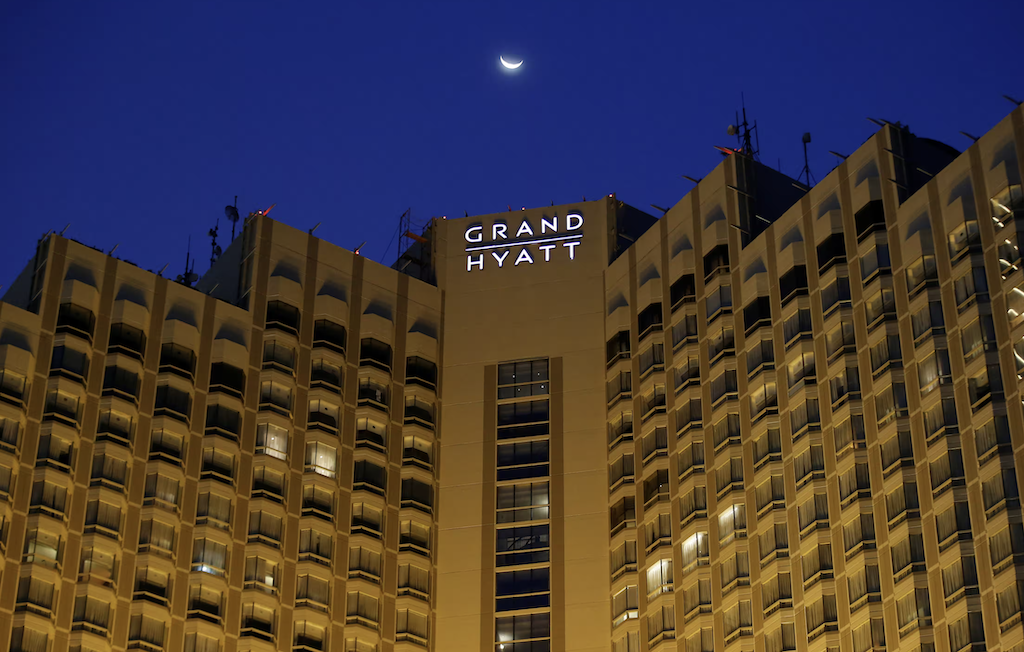
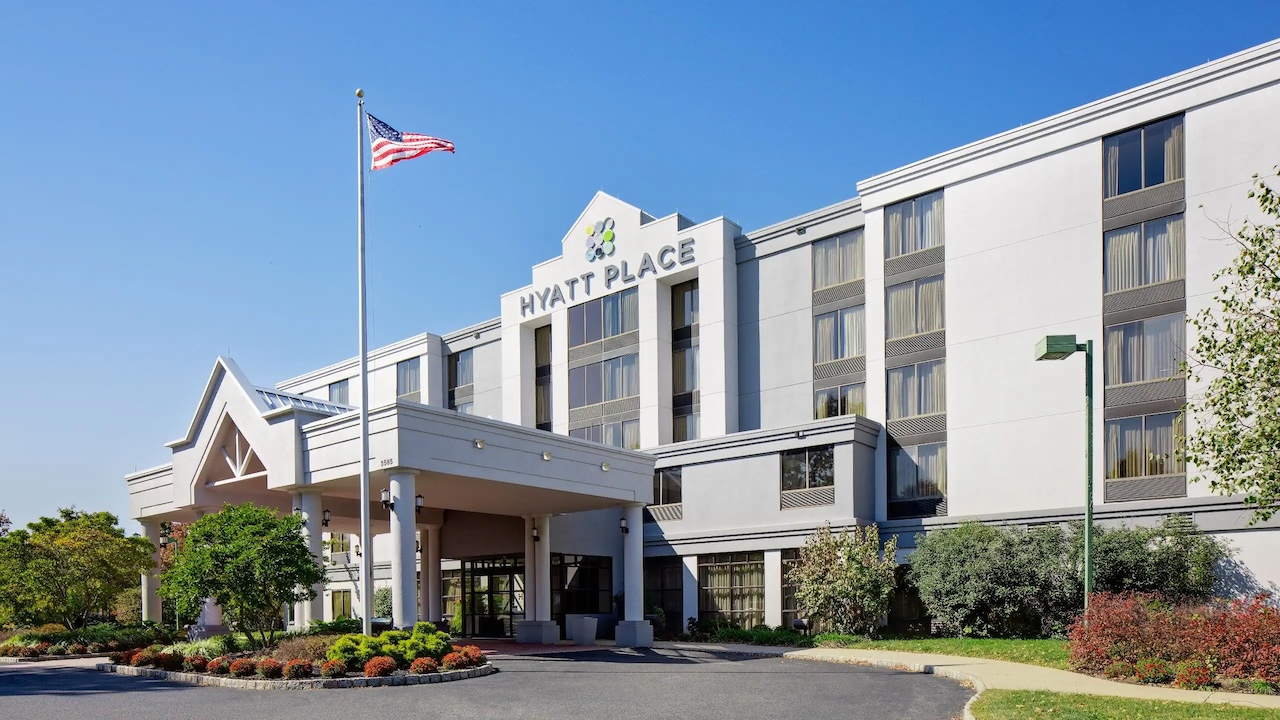
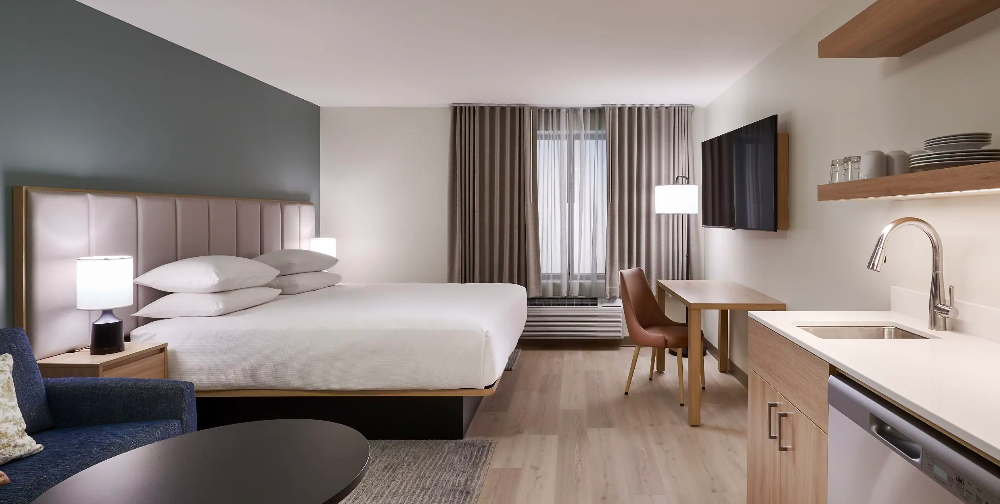
As a global hospitality leader, Hyatt Hotels Corporation maintains detailed brand standards that ensure consistent, high-quality guest experiences across its portfolio, including Park Hyatt, Grand Hyatt, Hyatt Regency, Hyatt Place, and Hyatt House.
Hospitality technology standards are a critical component of Hyatt’s broader brand strategy. From commercial-grade televisions and energy-efficient climate control systems to guest room appliances and accessories, each technology requirement supports operational efficiency, guest satisfaction, safety compliance, and long-term asset protection.
For hotel owners, developers, and asset managers, understanding Hyatt hospitality technology brand standards is essential when budgeting for renovations, completing a Property Improvement Plan (PIP), or opening a new build. Selecting non-approved or consumer-grade equipment can result in inspection delays, increased capital expenditures, and reduced lifecycle performance.
Below is a detailed overview of Hyatt’s current hospitality technology expectations, including what is commonly evaluated during a Hyatt PIP.
Hyatt Hotels & Brands
Hyatt Hotels Corporation operates 30+ brands across five main portfolios: Luxury, Lifestyle, Inclusive, Classics, and Essentials. Below is the current list of Hyatt hotel brands organized by those segments.
Luxury Portfolio
High-end properties offering premium service, iconic design, and destination experiences.
Park Hyatt
Alila Hotels and Resorts
Miraval Resorts & Spas
Impression by Secrets
Lifestyle Portfolio
Design-forward, experience-driven hotels focused on culture, social spaces, and dining.
Andaz
Thompson Hotels
Dream Hotels
The Standard Hotels
The StandardX
Bunkhouse Hotels
Me and All Hotels
Caption by Hyatt
JdV by Hyatt
Inclusive Collection (All-Inclusive Resorts)
All-inclusive beach and resort destinations primarily in Mexico, the Caribbean, and Europe.
Classics Portfolio
Traditional full-service Hyatt brands covering upscale to luxury segments.
Grand Hyatt
Hyatt Regency
Hyatt
Hyatt Vacation Club
Hyatt Place
Hyatt House
Hyatt Studios
Essentials Portfolio
Focused on efficient service, affordability, and modern design.
UrCove by Hyatt
Hyatt Select
Hospitality TVs & In-Room Entertainment Systems
In-room televisions are now considered one of the most influential components of the in-room guest experience. Today’s Hyatt guest expects seamless casting, secure streaming, high-resolution displays, and intuitive interfaces. As a result, Hyatt requires hospitality-grade TVs that are purpose-built for commercial environments.
Unlike retail consumer televisions, hospitality models are engineered with commercial firmware, centralized management capability, enhanced durability, and extended manufacturer support cycles. These features are critical in hotel environments where TVs operate for long hours daily and must integrate with brand-level content systems.
Before reviewing specific requirements, it’s important to understand that Hyatt’s TV standards are not just about screen size, they encompass platform compatibility, content security, casting functionality, and lifecycle management.
Requirements for Hyatt Hospitality TVs
Hyatt properties must invest in commercial-grade televisions that:
Are built for hospitality use, not consumer retail models (which lack extended warranties, commercial firmware, remote management, and safety features).
Support branded content delivery and digital signage capabilities.
Include casting and streaming ability compatible with guest devices and Hyatt entertainment platforms.
Meet minimum screen size and resolution expectations by brand tier (e.g., larger screens often required in premium/luxury rooms).
Integrate with remote management systems for firmware updates and diagnostics.
Leading manufacturers like Samsung and LG supply hospitality-grade televisions that meet Hyatt’s requirements, offering features such as locked input ports, customizable welcome screens, and centralized firmware controls.
By standardizing on approved hospitality TV models, Hyatt ensures brand consistency, data security, and long-term equipment reliability across diverse property types.
What Hyatt Evaluates During a Technology PIP
Technology systems are a central focus during Hyatt Property Improvement Plan (PIP) evaluations. PIPs are designed to bring properties in line with current brand expectations, especially as guest technology standards evolve.
During a Hyatt PIP, evaluators are not simply checking whether equipment functions, they assess whether technology aligns with current brand engineering guidelines, guest expectations, and digital ecosystem compatibility.
This means that even operational equipment may be flagged if it no longer meets casting, streaming, energy, or management requirements.
Hospitality Technology Reviewed in Hyatt PIPs
During a typical Hyatt PIP review, the following are commonly evaluated:
Hospitality television systems: ensuring approved models, secure streaming/casting support, and remote management compatibility.
Network infrastructure readiness: including Wi-Fi bandwidth capacity, switches, and IPTV/IP casting support.
Climate control systems: verifying that PTAC or HVAC systems deliver consistent comfort and efficiency.
Appliances and in-room hardware: assessing compliance with Hyatt appliance requirements and accessory standards.
Hyatt PIP reviews aim to identify outdated consumer equipment, non-compliant hardware, or devices lacking remote management capabilities. Proactive planning, ideally during renovation budgeting, significantly reduces rework and prevents costly post-inspection upgrades.
PTAC Units & HVAC Systems: Comfort, Efficiency & Engineering Standards
Guest comfort is one of the most important drivers of satisfaction scores and repeat bookings. For this reason, Hyatt places strong emphasis on HVAC performance, reliability, and acoustic comfort.
PTAC (Packaged Terminal Air Conditioner) systems and other HVAC solutions must balance energy efficiency with consistent temperature control and low noise output. In many Hyatt properties, particularly select-service and midscale brands, PTAC systems are the primary in-room climate solution.
Before reviewing specifications, it’s important to understand that Hyatt engineering standards consider not just cooling capacity, but also durability, serviceability, and long-term operating cost efficiency.
Hyatt PTAC & HVAC Requirements
Approved PTAC and HVAC units must:
Be hospitality-grade and designed to operate quietly and reliably in high-occupancy environments.
Meet energy efficiency standards that reduce operating costs without sacrificing guest comfort.
Offer compatibility with EMS or smart thermostats where required to support occupancy-based temperature control.
Be serviceable and engineered to withstand diverse climate conditions, including coastal, humid, or high-temperature regions.
Selecting properly rated HVAC systems reduces guest complaints, minimizes maintenance calls, and supports sustainability initiatives increasingly important within global hotel portfolios.
Guest Room Appliances: Functionality, Safety & Durability
Guest room appliances contribute directly to comfort, convenience, and perceived room quality. Requirements vary by brand tier, with extended-stay properties such as Hyatt House typically requiring more comprehensive kitchenette packages than traditional transient brands.
Hyatt standards emphasize commercial-grade durability and safety compliance to prevent operational disruptions and warranty issues.
When evaluating appliances, Hyatt considers not only the type of appliance but also size, energy performance, installation method, and brand alignment.
Standard Hospitality Appliance Expectations
Hyatt typically requires:
Refrigerators and beverage coolers sized appropriately for room types and guest occupancy levels.
Coffee and beverage systems aligned with brand expectations and electrical safety standards.
Microwaves or kitchenette packages in extended-stay properties.
Hospitality-rated safes that meet security and ease-of-use requirements.
Hospitality-rated appliances are engineered for higher usage cycles than residential equivalents, reducing the likelihood of premature failure and improving long-term ROI.
Accessories & Installation Hardware: Security & Compliance
Accessories and mounting hardware play a crucial role in safety, accessibility, and brand presentation. During Hyatt PIP evaluations, improperly mounted TVs, non-ADA-compliant hardware, or consumer-grade accessories frequently appear on deficiency lists.
While often considered minor components, in-room accessories must meet commercial safety standards and aesthetic guidelines.
Hyatt properties are expected to use:
Hospitality-rated TV mounts and brackets designed for tamper resistance and stability.
ADA-compliant hardware and controls to meet accessibility standards.
Certified power accessories and surge-protected charging stations capable of supporting high guest usage.
Clean, secure cable management systems to meet engineering and safety expectations.
Selecting commercial-grade hardware protects guest safety, reduces liability risk, and ensures long-term installation stability.
Hyatt Corporate IT & Network Technology Standards
Hotel technology extends well beyond equipment installed inside the guest room. Hyatt properties also depend on an extensive IT infrastructure supporting reservations, property operations, communications, guest internet access, entertainment systems, mobile services, payment environments, and connected devices.
Reliable networking is particularly important as more guest-facing systems become IP-based. Hospitality TVs, casting platforms, digital signage, mobile applications, smart thermostats, access-control systems, and hotel management platforms may all depend on the property's technology infrastructure.
For this reason, Hyatt hotel IT planning may need to consider:
Guest and operational Wi-Fi infrastructure
Wired Ethernet infrastructure and network switches
Network capacity and bandwidth
Secure network segmentation
Hospitality TV and casting network requirements
Property management and operational system connectivity
Digital key and access-control infrastructure
Payment and point-of-sale connectivity
Back-office workstations and business technology
Cybersecurity and data protection requirements
Network monitoring, maintenance, and lifecycle planning
Hyatt provides unified internet access at participating properties through Hyatt, property owners and third-party technology vendors, illustrating how hotel connectivity frequently involves multiple technology stakeholders.
When planning a renovation or new development, owners should therefore evaluate the property's network at the same time as guest-facing technology. Installing new smart TVs, casting systems, digital signage, or connected room devices without evaluating the network supporting them can create performance and compatibility problems after deployment.
Hyatt Corporate Computer, Laptop & Back-Office Equipment Standards
Another area of interest for hotel owners and IT teams is the equipment used by hotel employees rather than guests. Searches for Hyatt corporate IT equipment standards, Hyatt computer standards, and Hyatt preferred laptop brands generally relate to back-office and operational technology rather than guest room equipment.
Hotel computer environments can include front-desk workstations, management computers, sales-office systems, engineering workstations, business-center equipment, and devices used to access approved hotel applications.
Unlike hospitality TVs and certain other guest room products, a definitive public 2026 Hyatt-approved list of computer or laptop brands should not be assumed from general hospitality equipment guidance. Corporate IT hardware requirements may depend on the system being accessed, the property's ownership or management structure, geography, cybersecurity requirements, and current Hyatt IT documentation.
Instead of selecting computers based solely on manufacturer, Hyatt properties should confirm current requirements for areas such as:
Operating system and software compatibility
Processor, memory, and storage requirements
Network and domain compatibility
Endpoint security and device management
Encryption and authentication requirements
Peripheral and docking compatibility
Warranty and enterprise support
Lifecycle and replacement schedules
Owners and IT managers should verify the current Hyatt-approved specifications directly through the appropriate Hyatt corporate or brand technology documentation before purchasing computers, laptops, networking hardware, or other enterprise IT equipment.
This distinction is important: an equipment manufacturer commonly used in hotels is not automatically a Hyatt-approved corporate IT vendor.
Hyatt Corporate Security Technology Standards
Hospitality cybersecurity has become increasingly important as hotel systems have grown more interconnected. A modern hotel may process guest information, payment data, reservation records, loyalty information, digital room credentials, and traffic from hundreds or thousands of connected devices.
Hyatt states that protecting guest and colleague data is a core responsibility and that its cybersecurity teams use security tools, processes, employee training, and IT security guidelines to manage cybersecurity and privacy risks.
For hotel owners and operators, this means technology procurement should consider security alongside functionality and price.
Important hotel technology security considerations include:
Secure network architecture and segmentation
Protection of guest and employee information
Controlled administrative access to hotel systems
Endpoint security for corporate computers and workstations
Secure configuration of hospitality TVs and connected devices
Firmware and software update management
Authentication and access-control policies
Payment-system security
Secure guest Wi-Fi architecture
Guest privacy when using casting or streaming platforms
Monitoring and management of connected hotel devices
Network segmentation is especially important in modern hospitality environments. Guest Wi-Fi traffic, hotel operational systems, payment infrastructure, IoT devices, entertainment systems, and administrative technology should be managed according to the property's approved network and security architecture.
Hospitality technology suppliers should therefore be evaluated not only on equipment specifications but also on their ability to support secure deployment, firmware management, system compatibility, and long-term maintenance.
Digital Keys, Mobile Access & Hyatt Guest Technology
Mobile technology has become another important part of Hyatt's digital guest experience. At participating hotels, World of Hyatt members can use digital check-in and checkout, digital keys, and other mobile services through the World of Hyatt app.
Hyatt also supports room keys in Apple Wallet at participating properties. Compatible guests can use an iPhone or Apple Watch to access their room and, depending on the property, other controlled areas such as elevators, fitness centers, pools, exterior entrances, and parking facilities.
From a hotel technology perspective, digital access introduces additional infrastructure considerations. Properties implementing these capabilities may need compatible electronic locks, appropriate access-management systems, reliable connectivity, and secure integration between guest identity, reservation, and room-access systems. Digital access technology should therefore be evaluated as part of the broader Hyatt technology ecosystem rather than as a standalone door-lock purchase.
Does Hyatt Have an Approved Technology Equipment Brands List for 2026?
Hotel owners frequently search for a Hyatt corporate technology standards 2026 equipment brands list when planning renovations, PIPs, or new construction. The answer requires an important distinction between individual product categories and a universal Hyatt technology vendor list.
Hyatt standards can identify approved products, specifications, platforms, or manufacturers for particular applications. However, owners should not assume that there is one publicly available list covering every Hyatt technology category or that a manufacturer approved for one product type is automatically approved for another.
For example, hospitality technology procurement can encompass:
Hospitality TVs
PTAC and HVAC equipment
Thermostats and energy management systems
Guest room appliances
TV mounts and accessories
Wi-Fi and networking hardware
Casting and entertainment platforms
Digital locks and access-control systems
Computers and laptops
Cybersecurity technology
Digital signage
Property and hotel operations systems
Approval can vary by Hyatt brand, property type, geography, project, technology category, and current brand-standard revision.
The safest procurement process is therefore to identify the exact Hyatt brand and technology category, consult the latest applicable brand or engineering standards, and verify the proposed model before placing a large order.
Hospitality technology standards also evolve as equipment and guest expectations change. A model or platform previously installed at a Hyatt property should not automatically be assumed to satisfy the requirements of a new 2026 project.
How Hyatt Technology Standards Differ by Property Type
Hyatt operates across luxury, lifestyle, full-service, select-service, extended-stay, and all-inclusive hospitality segments. Technology requirements can consequently vary considerably from one Hyatt property to another.
A Hyatt Regency conference hotel, for example, may have significant requirements surrounding meeting-space connectivity, digital signage, high-capacity networking, guest casting, and business technology. A Hyatt House property places additional emphasis on extended-stay functionality, including full kitchens and related appliances. Luxury properties may require more sophisticated entertainment, automation, and guest-facing technology.
Properties should therefore evaluate standards according to the specific Hyatt flag rather than treating "Hyatt standards" as a single universal specification.
Key variables can include:
Hyatt brand and portfolio segment
Guest room and suite type
New construction versus renovation
Property Improvement Plan requirements
Full-service versus select-service operations
Extended-stay requirements
Meeting and conference facilities
Existing network and technology infrastructure
Regional electrical, accessibility, and building requirements
This brand-specific approach is particularly important during procurement. Equipment appropriate for Hyatt Place or Hyatt House should not automatically be assumed to satisfy requirements for Hyatt Regency, Grand Hyatt, Park Hyatt, or another Hyatt brand.
Best Practices for Hyatt Hospitality Technology Compliance
Technology compliance is most successful when integrated into early project planning. Hyatt properties that engage qualified hospitality technology suppliers and confirm engineering approvals before procurement experience fewer delays and lower retrofit costs.
To ensure compliance, hotel owners and technology teams should:
Select hospitality-grade, Hyatt-approved equipment designed for continuous, high-usage environments.
Verify entertainment and casting requirements with Hyatt engineering prior to procurement.
Document all installations and specifications to support PIP submissions and technology audits.
Work with experienced hospitality tech suppliers who understand brand compliance and engineering expectations.
Plan infrastructure upgrades early, especially for network and casting systems, to avoid delays during inspections.
A proactive compliance strategy protects asset value and enhances guest satisfaction.
Delivering Consistent Technology & Guest Experiences at Hyatt Hotels
Hyatt’s hospitality technology brand standards are designed to support operational consistency, elevated guest comfort, and long-term asset performance.
These standards ensure:
Consistent guest experiences with approved entertainment and casting systems
Comfortable environments through quiet, efficient HVAC and PTAC units
Reliable guest room appliances tailored to brand tier requirements
Safe, compliant installations using commercial-grade accessories
From hospitality-grade televisions to energy-efficient climate systems and brand-approved appliances, each component contributes to Hyatt’s reputation for quality and innovation.
Understanding and implementing these standards allows owners and operators to achieve smoother PIP approvals, improve operational efficiency, and deliver a modern, technology-forward guest experience across the Hyatt portfolio.
Questions About Hospitality Tech Products?
If you have any additional questions about the different hotel technology brand standards, particularly with hospitality TVs, feel free to reach out to our hotel tech experts directly.
Supplemental Info: If you're considering opening a hotel, we put together the Ultimate Guide to Opening a Hotel that covers all of the bases for this huge endeavor.