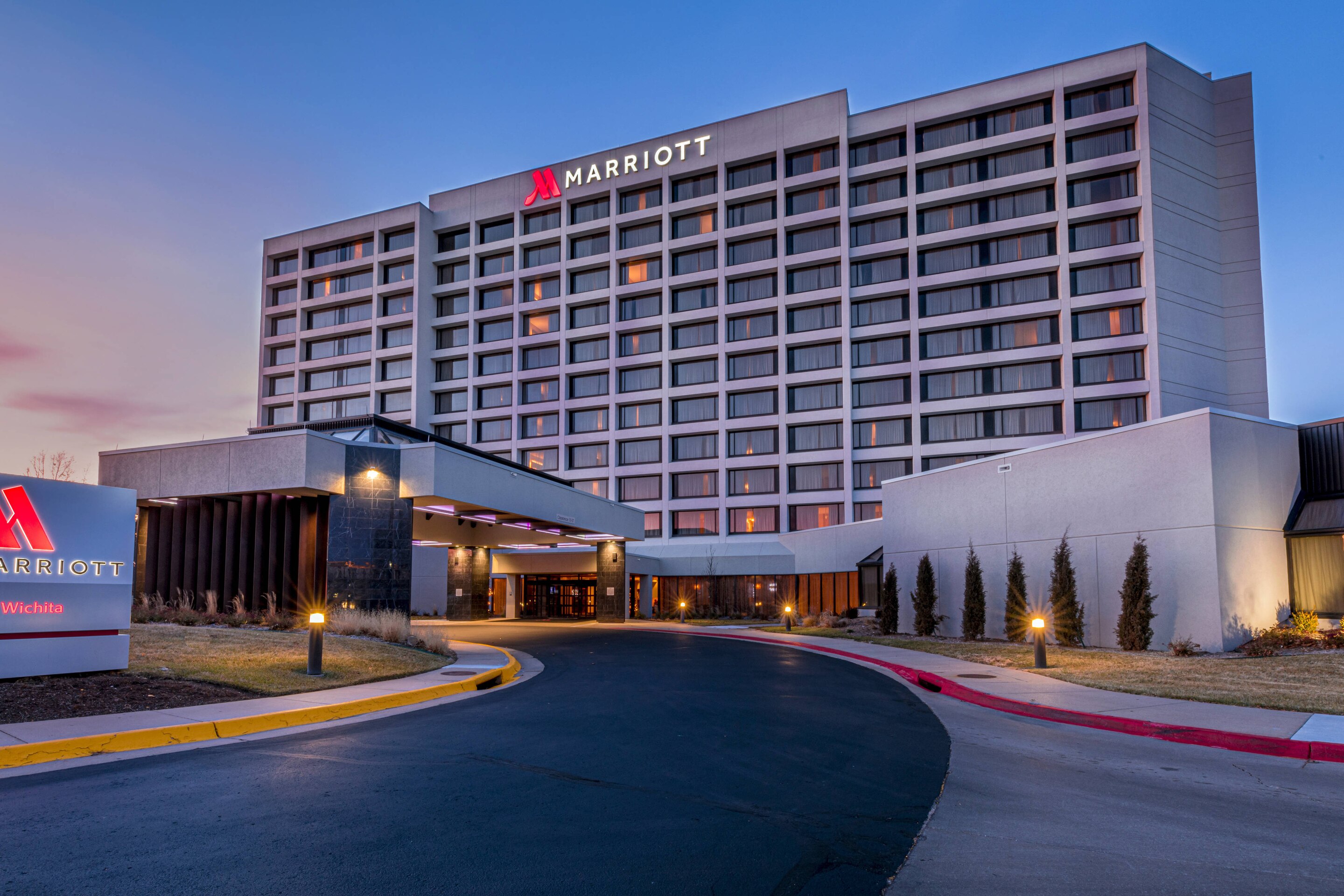
As one of the world’s largest hospitality companies, Marriott International maintains detailed and evolving brand standards to ensure operational consistency, technological reliability, and a premium guest experience across its global portfolio.
From full-service luxury brands to select-service and extended-stay properties, Marriott’s hospitality technology standards are designed to:
Protect brand integrity
Enhance guest satisfaction
Improve energy efficiency
Support centralized digital platforms
Ensure smooth Property Improvement Plan (PIP) approvals
If you’re developing, renovating, or preparing for a Marriott PIP, understanding these hospitality technology requirements is critical to avoiding compliance delays and costly rework.
Below is a detailed breakdown of Marriott’s current expectations across in-room entertainment, HVAC systems, appliances, accessories, and platform upgrades.
Marriott Hotels & Brands
Before we get into the specs of the technology brand standards for Marriott, here is a comprehensive list of the brands in the Marriott Hotels umbrella.
Marriott International operates 30+ hotel brands across different segments (luxury, premium, select, extended stay, and collections). Here is a clear breakdown of the current Marriott hotel brands by category.
Luxury Brands
High-end properties focused on luxury service, design, and experiences.
Premium Brands
Upscale hotels aimed at business and leisure travelers.
Select-Service Brands
Mid-scale hotels focused on efficiency and value.
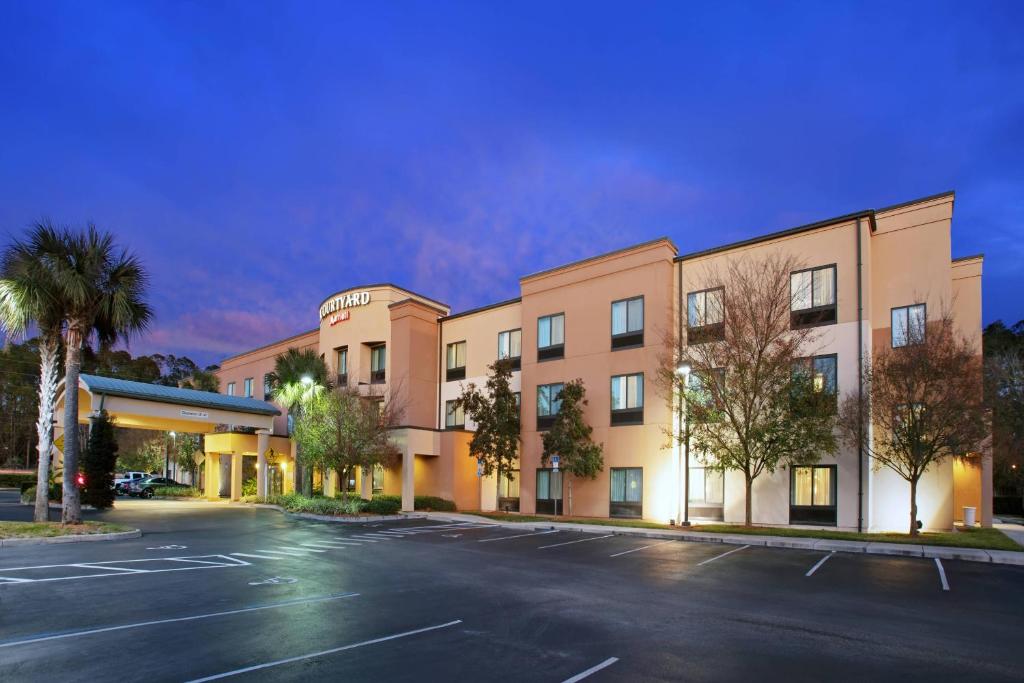
Courtyard by Marriott
Four Points by Sheraton
SpringHill Suites
Fairfield by Marriott
AC Hotels by Marriott
Aloft Hotels
Moxy Hotels
City Express by Marriott
Longer-Stay / Extended Stay Brands
Designed for guests staying several days to months.
Residence Inn by Marriott
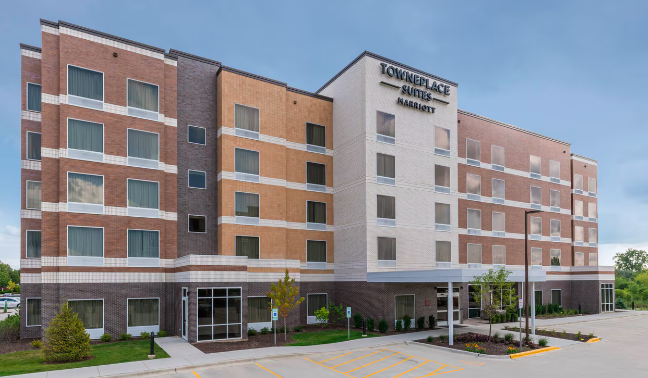
TownePlace Suites by Marriott
Element by Westin
StudioRes
Apartments by Marriott Bonvoy
Vacation Ownership
Timeshare / vacation club properties.
Hospitality TVs & Entertainment Systems
Guest room televisions are no longer standalone entertainment devices, they are integrated digital touch-points that connect guests to the Marriott ecosystem. Marriott requires hospitality-grade televisions engineered specifically for hotel environments, not consumer retail models.
These TVs must support Marriott’s entertainment infrastructure, security requirements, and centralized management capabilities, all of which are frequently reviewed during brand inspections and PIP cycles.
What Marriott Requires
Marriott properties must install hospitality-grade TVs that:
Align with Marriott’s Guest Room Entertainment (GRE) platform standards, including approved GRE versions.
Support Pro:Idiom or equivalent DRM protection and content security.
Include casting capability and integration with property management systems.
Meet minimum screen size and resolution specifications suitable for the brand tier.
Commonly used hospitality models are sourced from manufacturers such as Samsung and LG, selected for their commercial firmware, lifecycle availability, and engineering compatibility with Marriott’s GRE platform.
Unlike consumer televisions, hospitality TVs include features such as remote management, anti-theft protections, locked input ports, welcome messaging customization, and longer warranty structures, all essential in high-occupancy environments.
Marriott’s Guest Room Entertainment (GRE) platform standardizes the digital experience across its brands.
Guest Room Entertainment (GRE) serves as the backbone of Marriott’s in-room entertainment ecosystem, allowing centralized control of content, branding, casting functionality, and system security.
GRE compliance ensures:
Seamless guest casting experiences
Secure streaming sessions
Consistent UI design across properties
Integration with Marriott’s PMS and loyalty systems
During a Marriott PIP, outdated GRE versions are commonly flagged, often requiring hardware and firmware upgrades. Planning for GRE compatibility early in renovation budgeting can prevent project delays and costly change orders.
PTAC & HVAC Systems: Comfort and Engineering Standards
Climate control directly impacts guest satisfaction scores, online reviews, and brand perception. Marriott’s HVAC standards are engineered to deliver consistent comfort while meeting evolving energy efficiency benchmarks.
Marriott brand standards typically require that PTAC and HVAC systems be hospitality-rated, durable, and compatible with smart control systems.
PTAC Unit Standards
Approved PTAC units must deliver:
Quiet operation and suitable capacity for guest rooms.
Energy efficiency compliant with contemporary engineering standards.
Compatibility with Marriott’s smart thermostat and energy management systems (EMS).
Noise reduction is especially critical in limited-service and extended-stay brands, where room layout places HVAC units in close proximity to sleeping areas.
Marriott engineering standards may also require corrosion-resistant components in coastal markets or high-humidity regions, an important consideration for geographically diverse portfolios.
Thermostats & EMS Integration
Marriott increasingly prioritizes smart energy management solutions. Thermostats must integrate with Energy Management Systems (EMS) that allow occupancy-based setbacks and remote monitoring.
This integration supports:
Reduced energy consumption
Improved sustainability metrics
Lower operational expenses
Automated temperature recovery for arriving guests
Hotels that proactively implement EMS-compatible HVAC systems are better positioned for engineering approval during PIP reviews.
Guest Room Appliances: Standards & Requirements
Guest room appliances contribute significantly to comfort and convenience, especially in extended-stay and suite-style brands. Marriott requires hospitality-grade appliances that meet fire safety codes, energy standards, and brand aesthetic guidelines.
Standard Appliance Expectations
Approved appliances for guest rooms and suites generally include:
Compact refrigerators and beverage coolers
Hospitality-grade safes
Coffee and beverage systems
Microwaves or kitchenettes for extended-stay brands, such as: Residence Inn, TownePlace Suites, or SpringHill Suites.
Appliance specifications vary by brand tier. Extended-stay properties often require larger refrigeration units, cooktops, or full kitchenette packages to align with brand positioning and guest expectations.
Using residential appliances instead of hospitality-rated models can result in shortened product lifespan, warranty voids, and potential compliance concerns during brand inspections.
Accessories & Hardware: Supporting Compliance
Hotel room accessories and installation hardware are often overlooked, yet they frequently appear on Marriott PIP punch lists.
Marriott standards typically encompass:
Hospitality-rated TV mounts and brackets
ADA-compliant hardware and controls
Durable power accessories and charging stations
Secure cable management and tamper-resistant installations
Commercial-grade mounts, surge-protected power solutions, and ADA-compliant controls help ensure guest safety and reduce long-term maintenance issues.
Even minor deviations, such as improper mounting brackets or non-approved charging stations, can lead to corrective action during inspections.
GRE Platform & Technology PIP Requirements
Technology compliance becomes especially critical during a Marriott Property Improvement Plan (PIP). PIPs are structured evaluations that assess whether a property meets current brand standards across design, engineering, and technology.
Guest Room Entertainment (GRE) Upgrades
During a PIP or renovation, Marriott frequently requires:
If existing TVs lack casting functionality or updated firmware support, full replacement is often necessary to meet compliance timelines.
Common PIP Technology Requirements
Beyond entertainment systems, Marriott PIP technology upgrades commonly include:
Wi-Fi and network infrastructure improvements
Modern PMS and casting integrations
Updated HVAC controls interfacing with EMS systems
Brand-approved accessory and appliance selections
Early collaboration with approved vendors and engineering teams significantly reduces retrofit costs and avoids missed deadlines.
Best Practices for Marriott Compliance
To ensure brand compliance and operational readiness:
Use hospitality-grade, Marriott-approved technology rather than consumer products.
Verify GRE platform versions and approved TV models with brand engineering.
Document installations and configurations for PIP and audit reviews.
Partner with suppliers experienced in hotel brand standards.
Hotels that plan technology upgrades proactively, rather than reactively during inspections, typically experience smoother approvals and lower lifecycle costs.
Staying Ahead of Marriott Technology Standards
Marriott’s hospitality technology brand standards are designed to:
Deliver consistent guest experiences across global properties
Align with modern streaming, casting, and connectivity expectations
Support energy efficiency and sustainability initiatives
Ensure seamless compliance during PIP and engineering audits
From hospitality TVs aligned with the GRE platform to PTAC systems, smart thermostats, appliances, and ADA-compliant accessories, every requirement contributes to brand integrity and long-term operational success.
For owners and operators, understanding Marriott PIP technology requirements is not simply about passing inspections, it’s about protecting asset value, improving guest satisfaction scores, and future-proofing your property in an increasingly digital hospitality landscape.
Questions About Hospitality Tech Products?
If you have any additional questions about the different hotel technology brand standards, particularly with hospitality TVs, feel free to reach out to our hotel tech experts directly.
Supplemental Info: If you're considering opening a hotel, we put together the Ultimate Guide to Opening a Hotel that covers all of the bases for this huge endeavor.