PTAC vs PTHP Quick Summary
PTAC = air conditioner with electric heating
PTHP = PTAC with heat pump technology
PTHP units are generally more energy efficient
Both are commonly used in hotels and apartmentsIf you manage a hotel, apartment building, or senior living facility, chances are you’ve encountered PTAC and PTHP units when selecting HVAC systems.
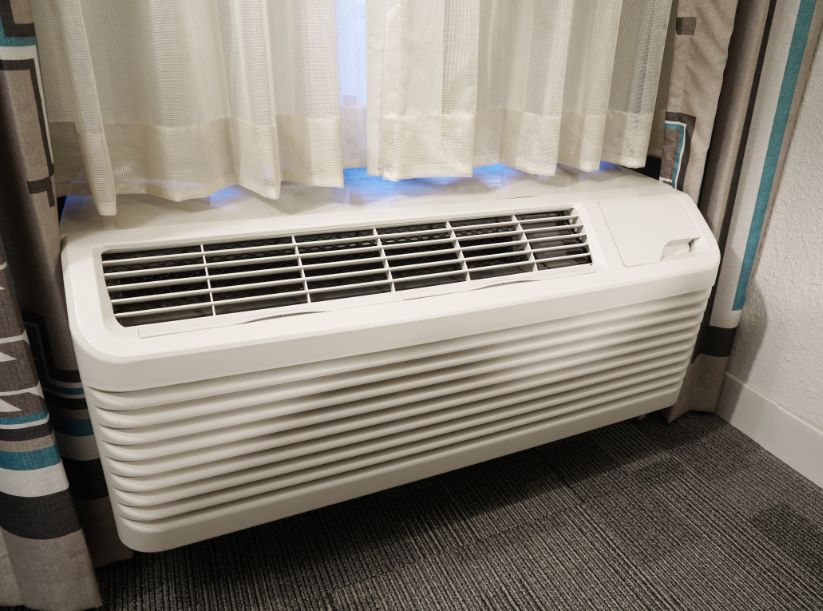
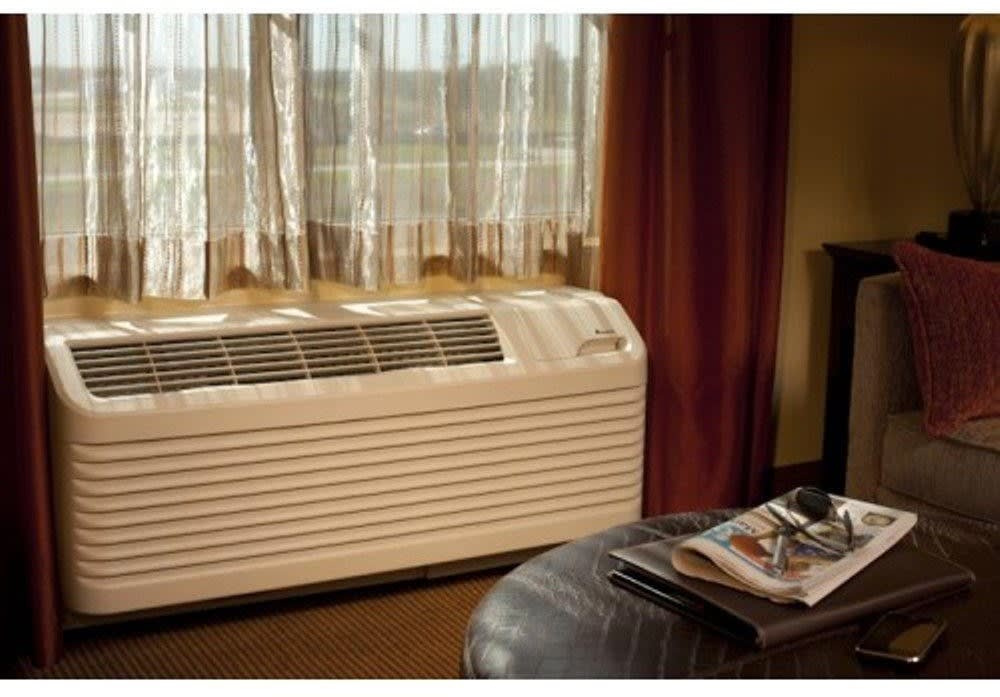
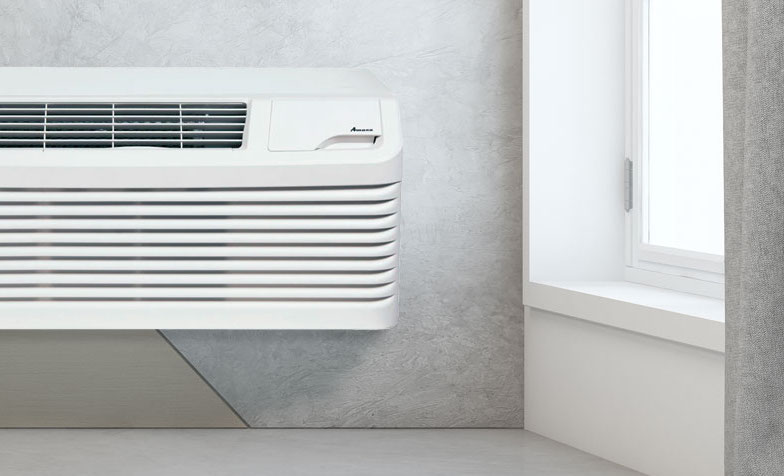
At first glance, these two systems look almost identical. In fact, many people assume they are the same thing. However, there are important differences in how they generate heat, their energy efficiency, and where they perform best.
Understanding these differences can help property owners choose the right HVAC solution for their building and reduce long-term operating costs.
In this guide, we’ll break down:
FYI: we put together a quick video to help with how to properly choose your A/C unit based on the size of your room.
What Is a PTAC Unit?
A PTAC (Packaged Terminal Air Conditioner) is a self-contained HVAC system designed to cool, and sometimes heat, individual rooms. These units are typically installed through an exterior wall, making them easy to install and service.
PTAC units are extremely common in:
One of the biggest advantages of PTAC systems is independent temperature control for each room, allowing guests or residents to adjust the climate without affecting other spaces.
How PTAC Units Heat and Cool
A standard PTAC unit:
Electric resistance heating works by generating heat through electrical coils. While this method is reliable, it typically consumes more electricity than heat pump technology.
Because of this, PTAC units are often used in properties where:
Heating demand is minimal
Electric heating costs are acceptable
Installation simplicity is important
What Is a PTHP Unit?
A PTHP (Packaged Terminal Heat Pump) is very similar to a PTAC unit in appearance and installation, but it includes heat pump technology.
Instead of generating heat directly like electric resistance systems, a heat pump moves heat from outside air into the room.
This process makes PTHP systems more energy efficient in moderate climates because they transfer heat rather than creating it.
PTHP units can:
Because of this dual functionality, PTHP systems provide year-round climate control in a single unit.
PTAC vs PTHP: Key Differences
Although PTAC and PTHP units look similar, the technology used for heating is the main difference.
Feature | PTAC | PTHP |
|---|
Cooling | Yes | Yes |
Heating method | Electric resistance or hydronic | Heat pump (reverse cycle) |
Energy efficiency | Moderate | Higher in mild climates |
Operating cost | Higher heating costs | Lower heating costs |
Upfront cost | Lower | Slightly higher |
In simple terms:
A PTHP unit is essentially a PTAC with a built-in heat pump.
Energy Efficiency: PTAC vs PTHP
Energy efficiency is often the biggest factor when deciding between these two systems.
Heat pumps operate by transferring heat rather than generating it, which can significantly reduce energy consumption compared to electric resistance heating.
This means:
PTHP units typically use less electricity for heating
Properties can lower operating costs
Buildings may qualify for energy incentives or rebates
However, PTHP units can lose efficiency when outdoor temperatures drop significantly. In very cold climates, many systems include backup electric heat to maintain comfort.
Where PTAC Units Work Best
PTAC units remain a popular HVAC choice for many properties because of their simplicity and reliability.
They are commonly used in:
PTAC units are often preferred when:
Initial equipment costs must stay low
Heating demand is minimal
Maintenance simplicity is important
Where PTHP Units Work Best
PTHP units are increasingly popular in the hospitality industry due to their improved efficiency.
They are particularly effective in:
Because they provide both heating and cooling through heat pump technology, they can help properties reduce long-term energy costs.
Many modern hotels are switching from older PTAC units to PTHP systems for this reason.
PTAC vs PTHP: Which Is Better for Hotels?
There isn’t a universal answer, each system has advantages depending on your property.
Choose PTAC Units if:
Choose PTHP Units if:
Energy efficiency is a priority
The property is located in a moderate climate
You want lower long-term operating costs
For many hotel operators, the decision often comes down to balancing installation cost vs long-term energy savings.
Frequently Asked Questions for PTACs & PTHPs
Are PTAC and PTHP units interchangeable?
In many cases, yes. Many buildings with PTAC wall sleeves can install compatible PTHP units as replacements.
Do PTHP units save energy?
Yes. Because heat pumps move heat rather than generating it, they typically use less electricity for heating compared to resistance heaters.
Why do hotels use PTAC units?
Hotels use PTAC systems because they provide:
Can a PTAC be upgraded to a PTHP?
In many cases, properties can upgrade to compatible PTHP models, improving efficiency without major renovations.
Putting PTAC & PTHP Units in Perspective
Both PTAC and PTHP units are reliable HVAC solutions for hotels and multifamily properties.
The key difference lies in how they heat a space:
For property owners looking to improve energy efficiency and reduce operating costs, PTHP systems are often the better long-term solution. However, PTAC units remain a practical and cost-effective option for many applications.
Questions about PTAC & PTHP Units?
Reach out to our hospitality tech product team at your leisure. We're happy to help clarify any details.