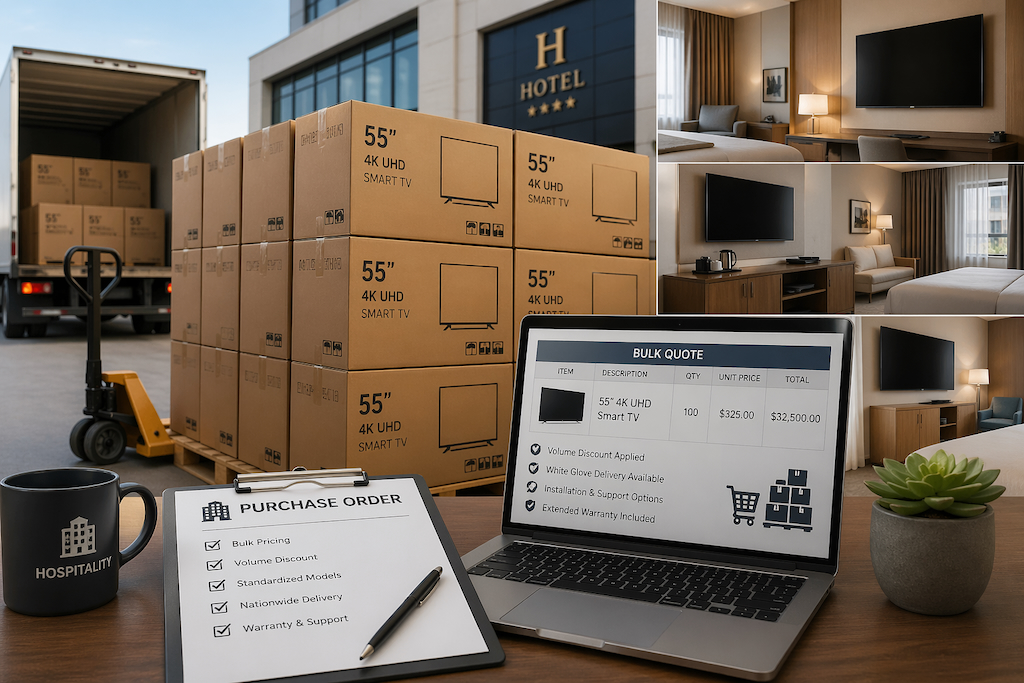
Outfitting a hotel, hospital, or large-scale residential property with televisions is not just a purchasing decision, it’s an operational investment that directly impacts guest satisfaction, brand perception, and long-term costs. For procurement teams, management companies, and property owners, buying TVs in bulk requires a more strategic approach than simply comparing unit prices and fundamental TV specs.
Factors like durability, centralized control, installation logistics, and lifecycle management all play a role in determining the true value of your investment. Poor planning with this decision can lead to what could have been avoidable costs down the road, which directly impact revenue and overall profit.
This guide explores how to evaluate hospitality TVs at scale, with a focus on balancing cost efficiency, performance, and long-term reliability.
Consumer vs. Hospitality TVs: Understanding the Difference
One of the most common pitfalls in bulk purchasing is assuming that consumer-grade TVs are sufficient for commercial environments. While they may appear cost-effective upfront, they often lack the features required for consistent, large-scale deployment.
Hospitality TVs are specifically designed for commercial use, offering advantages that become increasingly important as deployment size grows. These include centralized management capabilities, hotel mode features that restrict guest settings, and enhanced durability for extended daily use. Procurement teams also benefit from commercial-grade warranties and dedicated support structures.
In contrast, consumer TVs typically require manual setup in each room, have limited control over user settings, and may not withstand continuous operation. Over time, this can lead to higher maintenance costs and inconsistent guest experiences, two outcomes that can erode the initial savings and worse cost even more in the long run.
Defining Your Use Case and Environment
Before selecting specific models, it’s essential to define how the TVs will be used across your property or portfolio. Hospitality environments vary widely, and each use case brings different priorities.
Hotels and resorts often prioritize in-room entertainment features and seamless casting capabilities. Hospitals and healthcare facilities, on the other hand, tend to emphasize simplicity, reliability, and ease of sanitation. Meanwhile, public areas such as lobbies, lounges, and conference rooms may require larger displays with higher brightness and wider viewing angles.
Taking the time to map out these use cases helps ensure you’re not overspending on unnecessary features, or under-delivering in areas that directly impact the user experience.
Screen Size and Standardization Strategy
When purchasing TVs in bulk, standardization becomes a powerful tool for reducing complexity. Many organizations choose to standardize screen sizes across room types to simplify installation, inventory management, and future replacements.
Typical sizing guidelines include:
32” - 43” for smaller rooms or patient environments
50” - 55” as the most common choice for standard hotel rooms
65” and above for suites, premium spaces, or public viewing areas
While standardization improves operational efficiency, it’s still important to allow some flexibility for higher-tier rooms or specialized environments. A thoughtful mix of sizes can enhance the guest experience without introducing unnecessary complexity.
For more on the standardization of televisions in hotels, check out our guide for hotel TV brand standards across the major hotel chains in the United States.
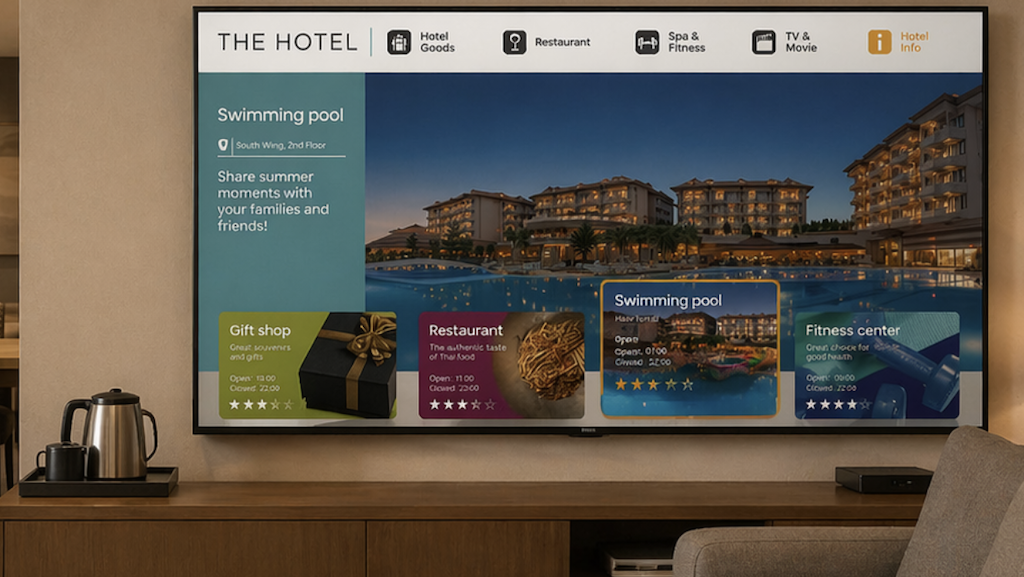
Connectivity and Guest Expectations
Guest expectations around connectivity have evolved rapidly, and televisions are now central to the in-room digital experience. Modern hospitality TVs should support seamless interaction with personal devices while maintaining privacy and security.
At a minimum, look for:
Screen casting options such as Chromecast, AirPlay, or Miracast
Compatibility with popular streaming platforms
Accessible HDMI and USB ports
Both Wi-Fi and Ethernet connectivity
For hotels, casting functionality is often a must-have, allowing guests to stream their own content without logging into apps directly on the TV. In healthcare environments, however, simplicity tends to take priority, interfaces should be intuitive and easy to navigate for patients of all ages.
Centralized Management and Operational Efficiency
One of the most compelling reasons to invest in hospitality-grade TVs is the ability to manage them centrally.
For large deployments, this capability can significantly reduce labor costs and streamline ongoing operations.
Centralized management systems typically allow teams to:
Configure settings remotely across all units
Push firmware updates in bulk
Control channel lineups and input access
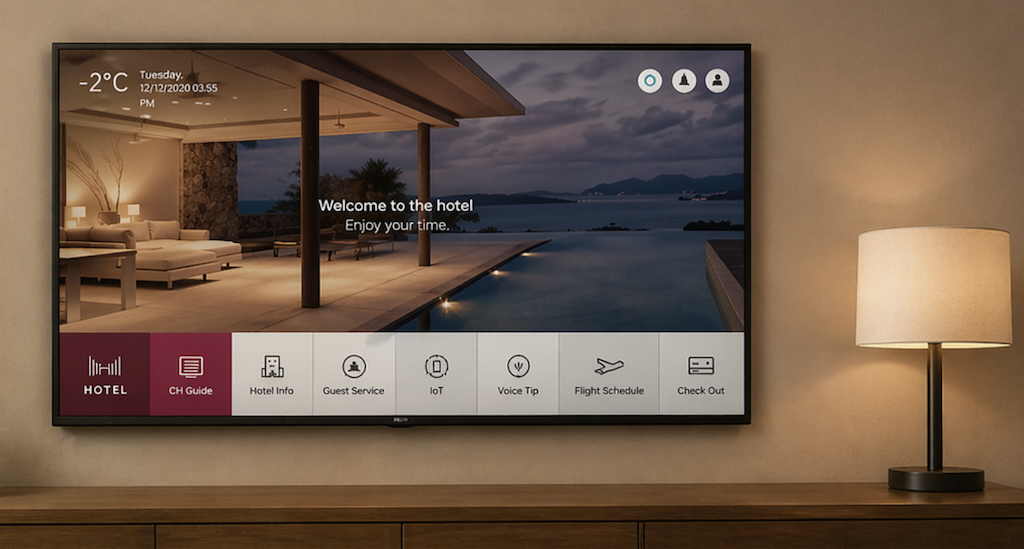
Customize welcome screens and branding
Without these tools, managing hundreds, or thousands, of TVs becomes a manual and time-consuming process. With them, IT and operations teams can maintain consistency across properties with minimal effort.
Tutorial Videos for Managing TVs with USB Cloning:
Durability and Lifecycle Planning
Hospitality TVs are built to handle far more intensive usage than consumer models. In many environments, TVs may run for 12 to 24 hours per day, making durability a critical consideration.
When evaluating options, think beyond initial performance and consider long-term reliability. Factors such as heat management, resistance to tampering, and component quality all influence how well a TV will perform over time.
Most hospitality TVs are designed with a lifecycle of approximately five to seven years.
Aligning your purchasing decisions with renovation cycles can help optimize capital expenditures and minimize disruptions. In many cases, investing slightly more upfront in higher-quality units can reduce replacement frequency and service costs.
Warranty, Support, and Service Agreements
In a bulk purchasing scenario, post-sale support is just as important as the hardware itself. A single malfunctioning TV may seem minor, but at scale, service delays can quickly impact guest satisfaction and operational efficiency.
Procurement teams should carefully evaluate:
Length and coverage of commercial warranties
Availability of advanced replacement programs
On-site service options
Access to dedicated account management
Reliable support ensures that issues are resolved quickly, minimizing downtime and maintaining a consistent experience for guests or patients.
Energy Efficiency and Total Cost of Ownership
While unit price is often the most visible cost, total cost of ownership (TCO) provides a more accurate picture of long-term value. Energy consumption, in particular, can have a significant impact when multiplied across hundreds of units.
Energy-efficient TVs can help:
Reduce ongoing electricity costs
Support sustainability initiatives
Contribute to green building certifications or rebates
Features such as automatic brightness control, sleep timers, and ENERGY STAR® certification are worth considering. Even modest energy savings per unit can translate into substantial cost reductions over time.
Installation, Mounting, and Infrastructure
Bulk TV procurement is closely tied to installation planning. Without a standardized approach, installation costs and timelines can quickly escalate.
Key considerations include VESA compatibility for mounting systems, effective cable management, and proper placement of power and network connections. Ensuring that your infrastructure can support connectivity requirements, especially for smart and connected TVs, is equally important.
Standardizing mounts and installation procedures not only reduces labor costs, but also simplifies future maintenance and replacements.
Pricing Strategies for Bulk and Wholesale Orders
Pricing for bulk TV purchases can vary significantly depending on volume, vendor relationships, and timing. Procurement teams should approach negotiations strategically to maximize value.
Common approaches include:
Tiered pricing discounts based on order volume
Clearance opportunities for end-of-life models
Bundled packages that include mounts and installation
Leasing or financing options to manage cash flow
Working with vendors who specialize in hospitality procurement can provide additional advantages, including tailored recommendations and logistical support.
Vendor Selection and Long-Term Consistency
Choosing the right manufacturer or supplier is about more than product specifications, it’s about building a reliable long-term partnership. Not all brands offer the same level of support or focus on hospitality-specific solutions.
Transworld has a proven track record distributing hospitality tech products to companies around The States since 1977. Our team of experts has a wealth of knowledge on the compatibility of existing systems, such as IPTV or property management systems.
Consistency is key; switching brands mid-cycle can create challenges in maintenance, training, and spare parts management.
Future-Proofing Your Investment
Technology will continue to evolve, but your TVs need to remain relevant for years. Future-proofing doesn’t mean chasing every new feature, it means making smart, forward-looking decisions.
As a baseline, most deployments should now include 4K resolution, along with support for software updates and flexible connectivity options. Prioritizing widely adopted standards helps ensure compatibility with future devices and services.
At the same time, avoid over-investing in features that are unlikely to be used in your specific environment. The goal is to strike a balance between longevity and practicality.
Logistics and Rollout Planning
Finally, successful bulk procurement depends on effective execution. Logistics, storage, and rollout planning all play a critical role in ensuring a smooth deployment.
Consider phased delivery schedules, on-site storage capacity, and installation timelines that align with occupancy or construction milestones. Coordinating closely with contractors, IT teams, and operations staff helps prevent delays and ensures that everything is in place when needed.
Bulk and wholesale TV purchasing for hospitality environments is a complex process that extends far beyond comparing specifications and pricing. It requires a holistic approach that considers operational efficiency, guest experience, and long-term costs.
By focusing on hospitality-specific features, centralized management, durability, and strong vendor support, procurement teams can make informed decisions that deliver value well beyond the initial purchase. When executed correctly, a large-scale TV deployment becomes more than an expense, it becomes an asset that enhances both brand perception and operational performance for years to come.
Plan Your Upgrade with Transworld
Looking to outfit a new build or refresh your existing rooms? Contact our hospitality technology products team directly for a free consultation. We’ll help you size, scope, and deliver the right in-room entertainment solution, on time and on budget, backed by hands-on support from our team from start to finish and beyond installation.
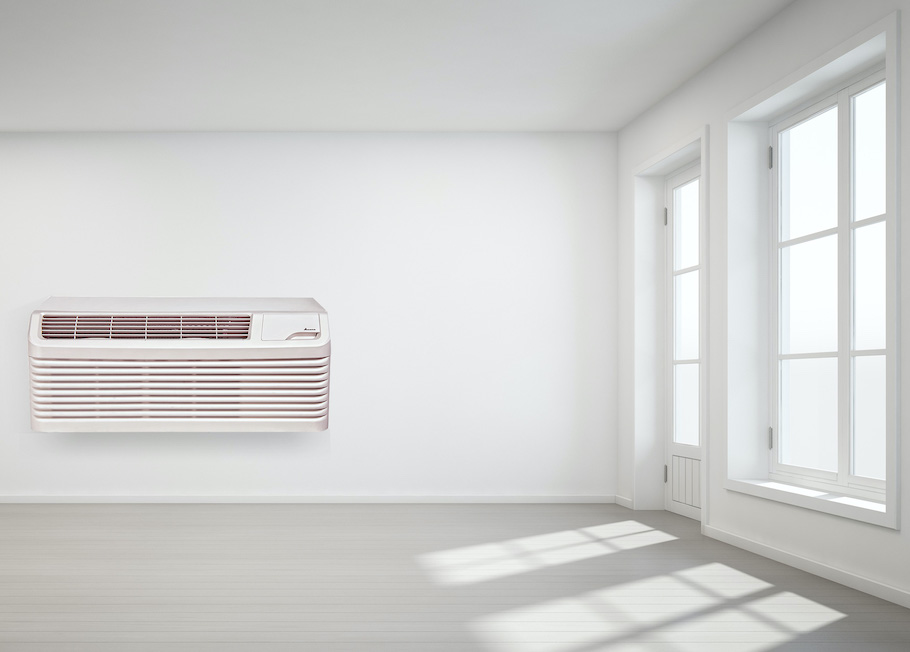
We’re happy to recommend the right mix of hospitality TVs, climate control hardware, and in-room tech for your next upgrade. We’ll help you plan the rollout, pricing, and timelines for your property portfolio.