When selecting an HVAC system for a hotel, apartment complex, assisted living facility, or other multi-room property, two common solutions often come up: PTAC units and VTAC units.
Both systems are designed to provide individual room temperature control, but they differ significantly in installation style, noise level, airflow design, and overall application.
Understanding the difference between PTAC vs VTAC units can help property owners, hotel operators, and facility managers choose the best system for their building layout and operational needs.
What Is a PTAC Unit?
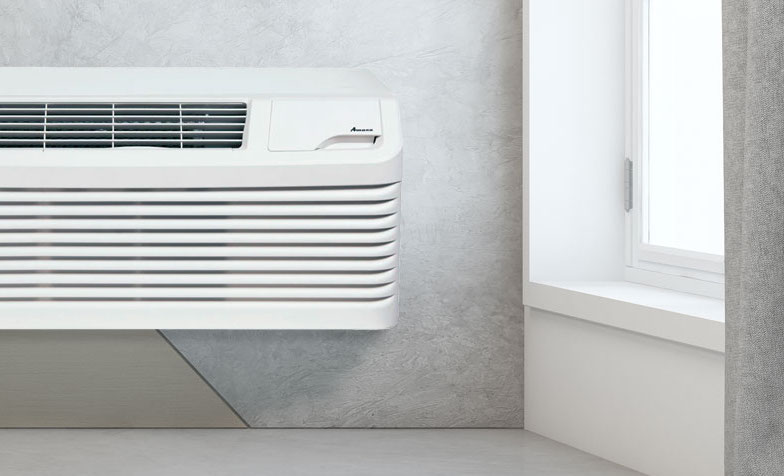
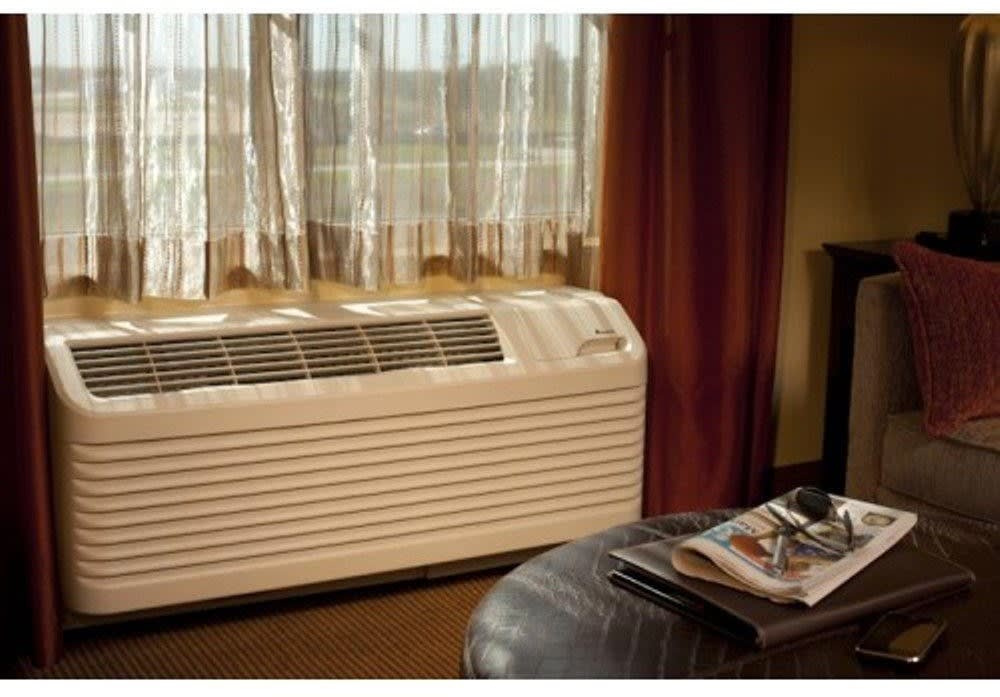
A PTAC (Packaged Terminal Air Conditioner) is a self-contained heating and cooling system installed directly through an exterior wall, typically beneath a window. These units are commonly found in hotels, motels, dormitories, hospitals, and senior living facilities.
PTAC systems combine several components into a single cabinet:
Because everything is packaged in one unit, PTAC systems are relatively simple to install and maintain.
Key characteristics of PTAC units
Installed through an exterior wall
Typically serve a single room
Easy to access for maintenance or replacement
Often include electric heat or heat pump functionality
Widely used in hospitality properties
Their design makes them a practical choice when each room needs independent climate control without the complexity of centralized ductwork.
What Is a VTAC Unit?
A VTAC (Vertical Terminal Air Conditioner) works similarly to a PTAC but is installed vertically inside a closet or concealed mechanical space rather than directly in the wall.
These systems are typically ducted into one or more rooms, allowing the conditioned air to be delivered through vents instead of directly from the unit itself.
Because the equipment is hidden away, VTAC systems provide a cleaner room design and quieter operation, which is why they are often chosen for new hotel construction or higher-end multifamily properties.
Key characteristics of VTAC units:
Installed vertically inside a closet or mechanical room
Often ducted to one or multiple rooms
Quieter operation due to concealed installation
Provides better aesthetic integration
Typically requires more installation space
In many cases, VTAC units are essentially a vertical configuration of the same packaged system concept used in PTAC units, but designed for concealed installation.
PTAC vs VTAC: Key Differences
Although both systems perform the same basic function, heating and cooling individual spaces, their designs create important differences.
Feature | PTAC Units | VTAC Units |
|---|
Installation | Through an exterior wall | Inside a closet or concealed space |
Airflow | Direct airflow into the room | Often ducted to vents |
Noise Level | Louder because unit is in the room | Quieter due to concealed placement |
Space Requirements | Minimal | Requires a closet or mechanical space |
Maintenance | Easy access | Slightly more complex |
Typical Applications | Hotels, motels, dorms | Hotels, apartments, multifamily buildings |
In short, PTAC systems prioritize simplicity and cost efficiency, while VTAC systems emphasize quieter operation and design flexibility.
When Should You Choose a PTAC Unit?
PTAC systems are often the best option when:
Retrofitting existing hotels or buildings
Each room requires independent heating and cooling
Installation space is limited
Lower upfront installation cost is important
Because PTAC units mount directly in an exterior wall, they are particularly useful in renovations or properties where adding ductwork would be impractical.
When Should You Choose a VTAC Unit?
VTAC systems may be the better choice when:
Designing a new hotel or multifamily building
Noise reduction is a high priority
A cleaner, less visible HVAC system is desired
Multiple rooms may be served from one system
Since VTAC units are hidden inside closets or mechanical spaces, they provide greater architectural flexibility and a more polished appearance for guest rooms or residential units.
PTAC vs VTAC: Which HVAC System Is Right for Your Property?
Choosing between PTAC and VTAC units ultimately depends on several factors:
Building design
Installation space
Noise expectations
budget
maintenance preferences
Many hotels continue to use PTAC units because they are cost-effective and easy to service, while VTAC systems are becoming increasingly popular in new construction where aesthetics and quiet operation are priorities.
Both PTAC and VTAC HVAC systems provide reliable heating and cooling for individual rooms or zones. The primary difference lies in how the equipment is installed and how air is delivered into the space.
PTAC units are installed directly in the wall and are ideal for straightforward installations and renovations.
VTAC units are vertically installed in concealed spaces, offering quieter operation and improved room aesthetics.
Understanding these differences helps property owners and facility managers select the HVAC solution that best fits their building layout, guest comfort expectations, and long-term maintenance strategy.
Do You Have Questions on PTAC and VTAC Units?
If you have any questions on PTAC and VTAC units, feel free to contact our hotel tech product experts directly.