Quick Answer & Synopsis: Danby cooktops give extended-stay and suite properties excellent in-room cooking quality in the form of a countertop appliance, because it doesn't need ventilation or a full range. This comprehensive guide covers the best placement for compact cooktops, the differences between coil, ceramic, and induction cooktops, and what to check before you place an order for your property.
Why Guest Room Cooking Changed
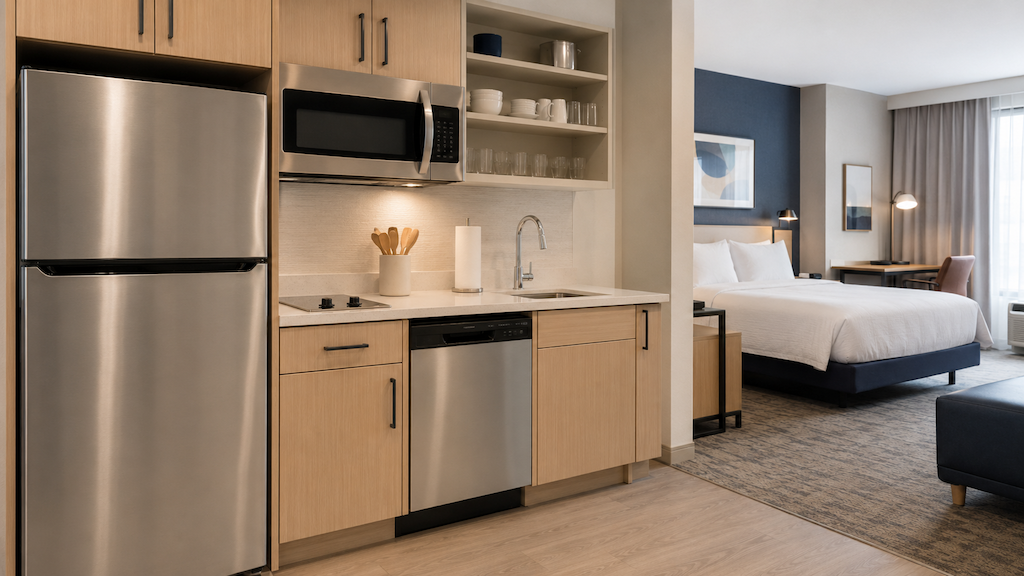
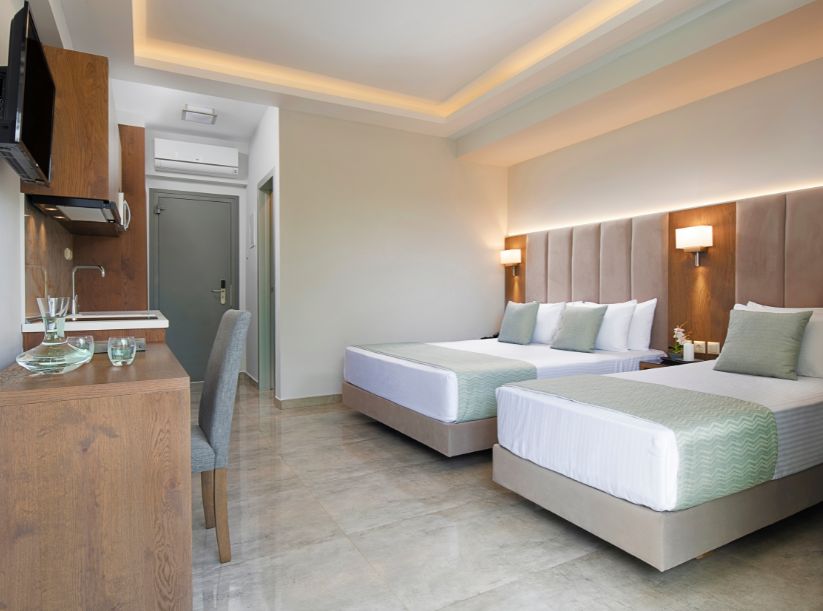
Extended-stay is no longer a niche market in the hospitality sector. Guests booking to stay for a week or a month or longer expect to make their own coffee, reheat leftovers, and cook for themselves without having to leave the property. The suite kitchenette became a booking factor rather than an amenity, and the appliance package became part of the brand standard rather than an afterthought.
A full range rarely fits that reality. It demands space, ventilation, and a level of guest risk most operators do not want. A compact cooktop delivers the function guests actually use, in a footprint that fits the room you already have.
Danby Cooktops Explained
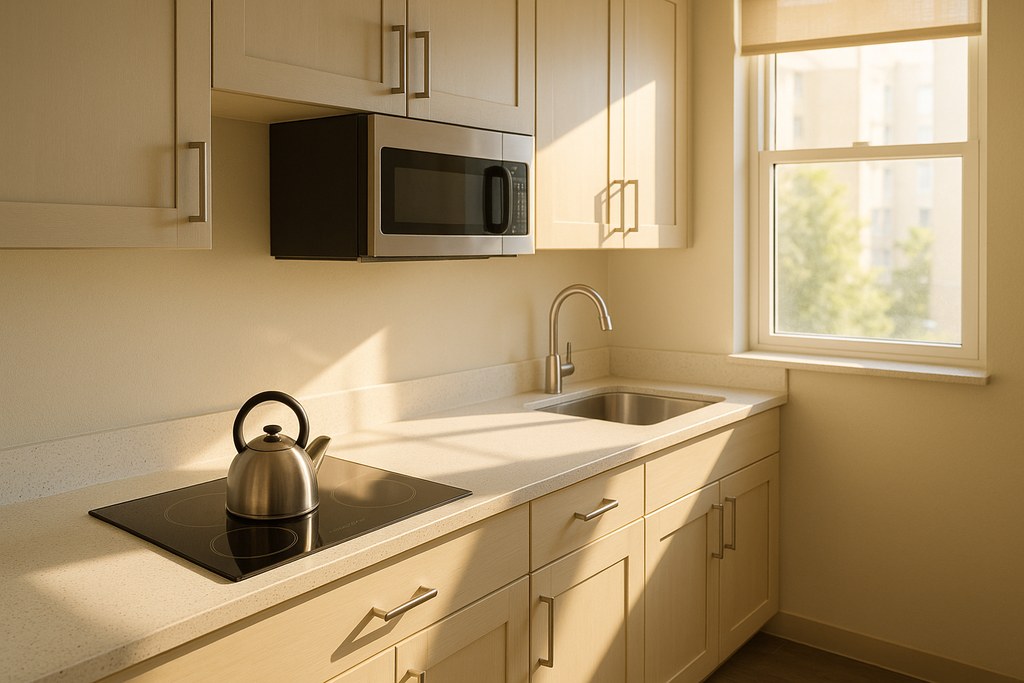
Danby manufactures compact appliances for spaces where a full-size unit does not necessarily fit. It is the exact constraint a suite kitchenette imposes. Cooktops can either be built into the counter or be freestanding with in one and two-burner configurations.
Coil, Ceramic, and Induction
Of the three options, coil elements are the simplest and least expensive. They are also more durable and can sustain long-term use. On the other hand, ceramic glass surfaces wipe clean and look aesthetically better in a modern suite. Lastly, induction heats the pan rather than the surface, making it the fastest to boil, the most efficient, and the safest, because the surface itself stays comparatively cool and shuts off without a pan present.
For properties weighing that last option, our guide on what to consider when switching to induction cooktops covers the cookware and electrical implications in detail, since induction requires magnetic cookware and guests will not bring their own.
One Burner or Two?
A single-burner is more suitable for studio suites and rooms where cooking is incidental. Two burners are more fitting for true extended-stay spaces, where a guest staying a month expects to cook a more thorough meal. The decision usually comes down to length of stay rather than room size.
Why Hotels Choose Danby
It fits the space you actually have
Compact appliances are the entire product line rather than a shrunken version of a full-size range. That shows up in how the units are laid out for small counters.
Lower installation burden
A countertop cooktop, or drop-in cooktop, avoids the need for ventilation and gas installations that a full range demands. This simplifies a kitchenette rollout, and prevents it from becoming a construction project.
Simple for guests
Guests operate an unfamiliar appliance once, in a hurry, and often at night. Straightforward controls reduce both damage and front desk calls.
Consistent across the property
Buying one model across every suite means one spare parts list, one cleaning procedure for housekeeping, and one set of instructions in the room.
Free Shipping on Danby Cooktops
Transworld is running free shipping on Danby cooktops. On a full property kitchenette rollout, freight on appliances is the line item most likely to be underestimated in the original budget. Call 800.424.8550 to confirm current terms and quantities.
What to Check Before You Order
Confirm your brand's approved appliance list, since suite packages are specified in the property improvement plan.
Measure the counter cutout if you are specifying a drop-in model rather than freestanding.
Check the electrical service in the room. Induction in particular has requirements an older kitchenette circuit may not meet.
Decide one burner or two based on typical length of stay.
If specifying induction, plan the cookware package at the same time. The cooktop will not work without magnetic pans.
Consider acquiring the full kitchenette together rather than piecemeal. See our range of hospitality appliances and our guide to appliances for extended-stay suites.
Frequently Asked Questions for Hotel Cooktops
Are compact cooktops suitable for hotel guest rooms?
Yes, and they are standard in extended-stay and suite properties. They deliver the cooking function guests use most without the ventilation and space requirements of a full range.
Should I choose induction or ceramic for guest rooms?
Induction is faster, more efficient, and safer because the surface stays comparatively cool and will not operate without a pan. Ceramic is less expensive and works with any cookware, which matters if guests bring their own. Induction requires magnetic cookware supplied by the property.
Do compact cooktops need special ventilation?
Requirements depend on local code and configuration, and are generally lighter than a full range demands. Confirm with your local authority before finalizing a kitchenette layout.
One burner or two for an extended-stay suite?
Two burners suit properties where guests stay a week or longer and cook full meals. One burner is usually sufficient where cooking is occasional.
How many should I order for a property rollout?
Order as many units as you need for your suites, plus a small allowance of replacements. Appliance failures can happen mid-stay, and having a spare on site is the difference between a swap and a room out of inventory. This is critical for maintaining an optimal guest experience.
Find the Right Danby Cooktop with Transworld
Our hospitality technology products team can match cooktops to your suite layouts, confirm brand standard compatibility, and quote the full property. Call 800.424.8550 or email sales@twstransworld.com. For any questions, please email your Sales Representative.