Save 20% to 30% While Boosting Guest Comfort with Hospitality Energy Management Systems
Energy is typically the second-highest operating expense in a hotel, which presents a major opportunity for measurable cost savings. Rising utility costs, sustainability initiatives, and growing guest expectations make energy efficiency more important than ever for hotel owners and operators.
One of the easiest and most effective ways to improve hotel energy efficiency is simple: don’t use energy when it’s not needed, especially with PTAC units, HVAC systems, and in-room air conditioning.
That’s exactly what Hospitality Energy Management Systems (EMS) are designed to do, reduce unnecessary energy consumption while maintaining (and often improving) guest comfort.
Why Hospitality Energy Management Systems Deliver 20 - 30% Savings
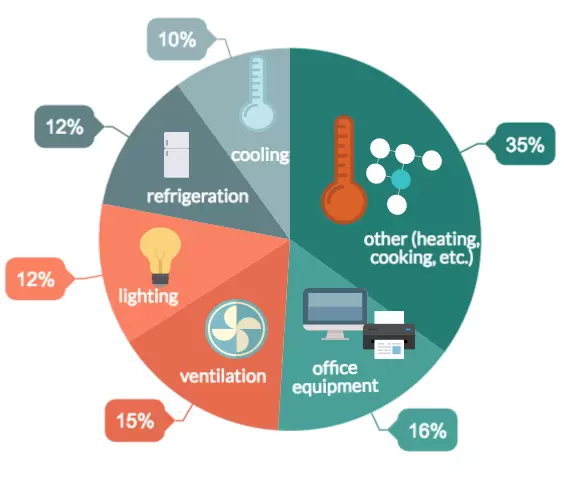
The biggest savings opportunity in hotels can be found in HVAC controls. Heating and cooling typically account for 40 - 60% of total hotel energy consumption.
Modern hotel energy management systems use cutting-edge technology such as:
Advanced occupancy sensors
Door and window sensors
Smart thermostats
Cloud-based EMS software
Automated temperature setbacks
Integration with property management systems (PMS)
When a guest room is unoccupied, the system automatically adjusts temperatures to energy-saving setpoints. When occupancy is detected, the system restores comfort settings quickly and seamlessly.
This eliminates:
Excessive HVAC runtime
Energy waste in vacant rooms
Extreme temperature swings
Manual thermostat overrides
The result? 20% to 30% energy savings without sacrificing the guest experience.
Hospitality Energy Management Case Study: Crowne Plaza Times Square
A strong example of hospitality EMS ROI can be seen at the Crowne Plaza Times Square.
By implementing advanced HVAC controls and an EcoSmart energy management system, the property reduced HVAC equipment runtime and achieved annual savings of $112,000.
This case study highlights a key principle in hotel energy management:
Strategic automation + occupancy-based HVAC control = measurable cost reduction.
Large urban hotels in high-energy-cost markets like New York City often see especially strong returns, but similar savings are being realized across midscale, extended-stay, boutique, and resort properties nationwide.
Beyond HVAC: A Fully Integrated Hotel Energy Management Strategy
While HVAC controls provide the largest savings, today’s hospitality energy management systems go far beyond temperature control.
Modern EMS platforms can integrate with:
For example:
When a guest checks in, the room can automatically transition to comfort mode.
When the room is vacant, lighting and HVAC adjust accordingly.
If a door or window is left open, the system can temporarily disable HVAC.
Smart shades can reduce solar heat gain during peak hours.
This type of integrated energy strategy enhances both operational efficiency and guest experience.
Real-Time Monitoring & Predictive Maintenance
Another powerful benefit of hospitality energy management software is real-time data visibility.
With cloud-based dashboards and reporting tools, hotel operators can:
Monitor energy usage by room, floor, or building
Identify HVAC units running excessively
Detect abnormal temperature patterns
Flag equipment performance issues
Prioritize maintenance requests
This proactive approach allows engineering teams to address high-priority guest room equipment issues before they impact a stay.
Instead of reacting to complaints, hotels can shift to predictive maintenance, improving:
Hospitality Energy Management & Sustainability Goals
Many hotel brands and ownership groups are setting ambitious sustainability targets. Hospitality energy management systems play a key role in:
Reducing carbon footprint
Lowering greenhouse gas emissions
Meeting ESG objectives
Achieving brand sustainability benchmarks
Supporting LEED and green building initiatives
Energy efficiency is no longer just about savings, it’s about brand positioning and long-term competitiveness in the hospitality industry.
Energy Management Systems vs Property Management Systems
Energy Management Systems (EMS) and Property Management Systems (PMS) serve different but complementary roles in hotel operations.
EMS focuses on energy optimization, HVAC automation, occupancy detection, and utility cost reduction.
PMS manages reservations, guest check-in/check-out, billing, and room inventory.
When integrated together, these systems create powerful operational automation and improved energy performance.
FYI: Check out our comparison guide for Energy Management Systems vs Property Management Systems in the hospitality industry.
Is a Hospitality Energy Management System Right for Your Hotel?
Whether you operate:
Implementing a hotel energy management system can deliver immediate operational savings and long-term strategic benefits.
With energy costs continuing to rise across major U.S. markets and globally, EMS technology has become one of the fastest-ROI investments available to hospitality operators.
Questions About Hospitality Energy Management Systems or Hospitality Tech Products?
Reach out to our hospitality technology product team directly. We’re happy to point you in the right direction, discuss your property’s needs, and help you evaluate the right hospitality energy management solution.
Let’s reduce costs, increase efficiency, and enhance guest comfort, at the same time.