1. What is a Hospitality TV?
Let's begin with the most fundamental and basic elements.
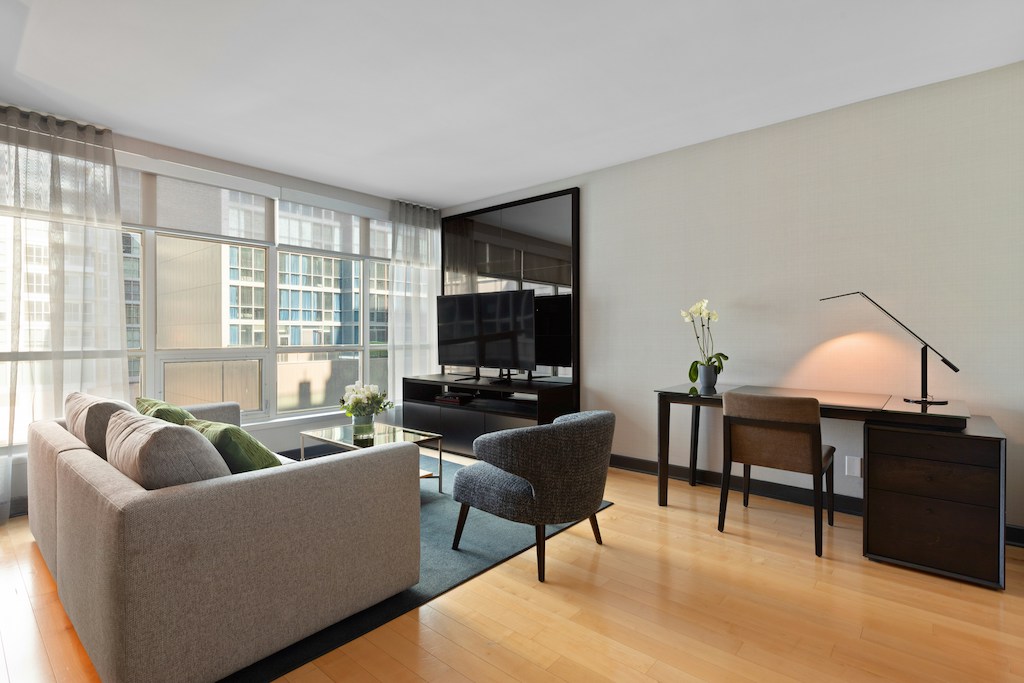
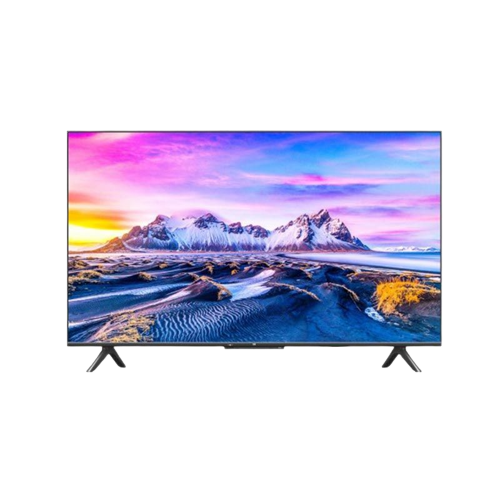
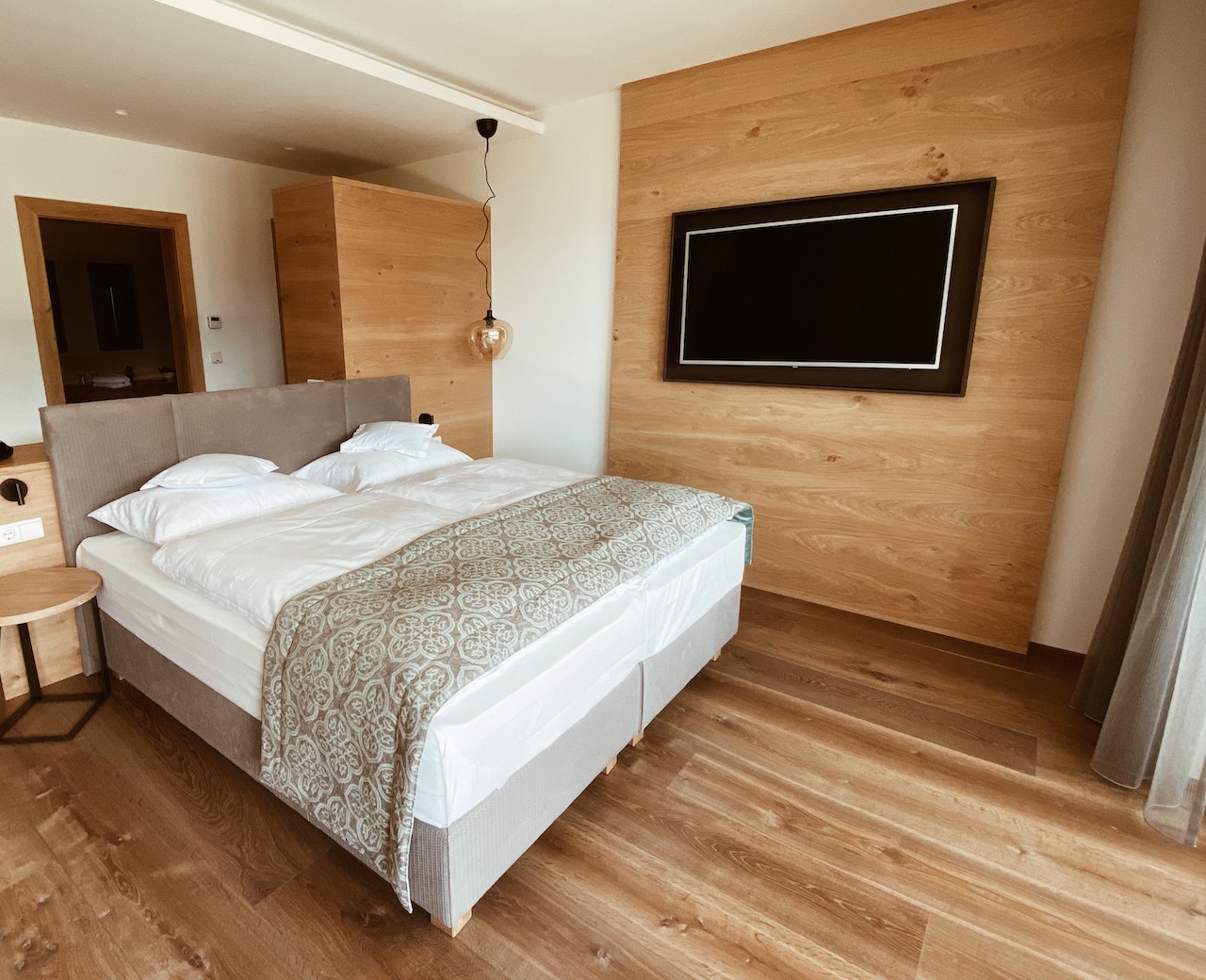
A hospitality TV, also known as a hotel TV or commercial-grade television, is specifically designed for use in hotels, resorts, hospitals, and other commercial environments. Unlike consumer TVs, these displays are engineered to integrate into a centralized system that allows properties to control, customize, and scale content across every guest room.
Hospitality TVs combine several types of commercial technology. The capabilities included vary by model and may include:
Pro:Idiom support for encrypted television programming
Cloning or centralized configuration tools
Compatibility with RF, IPTV or hybrid distribution
System-on-chip or set-top-box integration
Casting and smart applications
Hotel branding, welcome screens and interactive services
Before selecting a model, confirm which of these capabilities the property’s brand and entertainment provider require.
What makes these display units essential is their dual role: they are both entertainment devices and operational tools. In addition to standard programming, they enable hotels to communicate directly with guests, promote services, and deliver a branded in-room experience.
Key Features of Hospitality TVs
Hospitality televisions often include:
Live cable and network programming
Video-on-demand (VOD)
Premium channels
Streaming and smart apps
Casting content from personal devices
Hotel branding and welcome messages
Local information (weather, news, tourism)
Interactive guest services
These features help transform the TV into a central touchpoint for the guest experience, rather than just a screen in the room.
2. Consumer vs Hospitality TVs: What’s the Difference?
While consumer TVs and hospitality displays may look similar, they are built for entirely different environments. The differences between consumer and hospitality TVs become clear when you consider long-term usage, reliability, and control.
Manufacturers design commercial televisions for heavier use than typical residential models. Warranty length, service arrangements and operating-hour ratings vary, so hotels should review the documentation for each model. Consumer warranties may exclude commercial use, which can leave a property responsible for replacement costs.
Another major distinction is control. Hospitality TVs are “guest-proof,” meaning settings can be locked, inputs restricted, and volume limited. This ensures consistency across rooms and prevents tampering. At the same time, these TVs are designed to make the guest experience more personalized with features like custom startup screens, centralized content management, and secure content delivery through Pro:Idiom.
In short, hospitality TVs are built for more durability, control, and scalability compared to consumer TVs.
Benefits of Hospitality Televisions
Installing specialty televisions offers hotels and resorts clear advantages that impact the bottom line.
Lock volume, input and menu settings
Create a consistent channel lineup
Copy approved settings across rooms
Display hotel information and welcome screens
Support encrypted commercial programming
Integrate with compatible casting and entertainment platforms
Obtain warranty coverage intended for commercial use
What should a hotel confirm before choosing a TV?
Hospitality TVs combine several types of commercial technology. Depending on the model, a television may include Pro:Idiom, centralized configuration, smart applications, casting support and communication protocols such as b-LAN.
Hotels should compare models according to the capabilities required by their brand and entertainment system:
Content delivery through RF, IPTV or a hybrid system
Pro:Idiom support for protected programming
System-on-chip or set-top-box compatibility
Cloning or remote-management tools
Casting and streaming support
Welcome screens and hotel information
PMS or interactive-TV integration
3. What is Pro:Idiom?
Pro:Idiom is an encryption technology used in hotel TV systems to securely deliver digital content. It plays a critical role in allowing hotels to offer premium channels while remaining compliant with content providers.
Without Pro:Idiom, hotels may need additional hardware, such as set-top boxes, to distribute protected content. By integrating this technology directly into the TV, properties can simplify their infrastructure and reduce costs.
Why Pro:Idiom Matters:
Required by many content providers
Protects against piracy
Enables premium HD channel distribution
Reduces need for external hardware
For most modern hotel installations, Pro:Idiom compatibility is a must-have feature.
4. Edge-Lit vs Direct-Lit LED TVs
LED technology is now the standard in hospitality environments, offering improved brightness, efficiency, and lifespan compared to older LCD displays. However, not all LED TVs are the same.
Edge-lit TVs place LEDs around the perimeter of the screen, allowing for ultra-thin designs and lower production costs. These are ideal for properties prioritizing aesthetics and budget.
Direct-lit TVs position LEDs behind the entire panel, resulting in better brightness and contrast. While slightly thicker and more expensive, they deliver superior picture quality, making them a strong choice for premium guest rooms.
Quick Comparison
Edge-lit: thinner, more affordable, design-focused
Direct-lit: brighter, better contrast, higher image quality
The right choice depends on whether your priority is visual performance or cost efficiency.
Note: We also cover the difference between edge-lit and direct-lit TVs more thoroughly in this post.
5. LED vs QLED vs OLED vs Mini LED TVs: What’s the Difference?
When comparing these display units, buyers may encounter terms such as LED, QLED, OLED, and Mini LED. These technologies describe how a television produces light and color, not its resolution, hospitality functionality, or content-management capabilities. A 4K TV, for example, may use any of these display technologies.
Understanding the differences can help hotels balance picture quality, room conditions, operating demands, and budget.
LED TVs
Most hospitality TVs are LED TVs. Technically, these displays use an LCD panel illuminated by an LED backlight. Depending on the model, the LEDs may be positioned around the edges of the screen or directly behind it.
LED TVs provide a practical combination of brightness, energy efficiency, durability, and affordability. They are available in a wide range of commercial models and screen sizes, making them suitable for standard guest rooms, extended-stay properties, healthcare environments, and large-scale hotel deployments.
Best suited for: Most hotel guest rooms and properties seeking reliable performance at a competitive price.
QLED TVs
QLED stands for “quantum-dot light-emitting diode.” Despite the name, a QLED TV is still an LED-backlit LCD TV. It adds a layer of quantum dots that improves color reproduction and helps the display maintain vivid colors at higher brightness levels. QLED TVs can be particularly effective in bright guest rooms, suites with large windows, hotel lobbies, bars, and other areas with significant ambient light. They offer a noticeable visual upgrade over many standard LED models without moving to a self-illuminating display technology.
Best suited for: Upscale guest rooms, suites, and bright public spaces where stronger brightness and richer color are priorities.
OLED TVs
OLED stands for “organic light-emitting diode.” Unlike LED and QLED TVs, OLED displays do not use a separate backlight. Each pixel produces its own light and can turn off independently. This allows OLED TVs to produce exceptionally deep blacks, precise contrast, wide viewing angles, and thin panel designs.
OLED can create a premium, cinematic experience, especially in luxury suites and spaces with controlled lighting. However, hospitality operators should evaluate the intended usage carefully. Persistent static elements, such as hotel logos, menus, or digital signage, may make image-retention management more important. Price and commercial-model availability should also be considered.
Best suited for: Luxury suites, premium entertainment spaces, and design-led environments where exceptional contrast is a primary objective.
Mini LED TVs
Mini LED is an advanced form of LED backlighting. It uses much smaller LEDs, allowing manufacturers to place more lights behind the screen and control smaller areas of the image. This can produce greater brightness, improved contrast, and more precise local dimming than conventional LED displays.
Some premium QLED televisions also use Mini LED backlighting. Samsung, for example, applies both quantum-dot color technology and Mini LED backlighting within portions of its Neo QLED range. Therefore, “QLED” and “Mini LED” are not necessarily competing categories—a TV can incorporate both technologies.
Mini LED can be a strong option for premium rooms and brightly lit common areas because it combines high brightness with better black-level control while retaining an LED-based design.
Best suited for: Premium guest rooms, luxury suites, sports bars, lobbies, and high-ambient-light environments.
Quick Display Technology Comparison
Technology | How It Works | Primary Advantages | Hospitality Considerations |
|---|
LED | LCD panel with an LED backlight | Affordable, efficient, bright, widely available | Practical choice for most guest-room deployments |
QLED | LED/LCD display enhanced with quantum dots | Brighter, more vivid colors | Ideal for upgraded rooms and bright spaces |
OLED | Individually illuminated pixels with no backlight | Deep blacks, excellent contrast, wide viewing angles | Premium price; static content requires consideration |
Mini LED | LED/LCD display using smaller, more precisely controlled backlights | High brightness, improved contrast and local dimming | Premium option; may also be incorporated into QLED TVs |
Which TV Display Technology Is Best for Hotels?
There is no single display technology that is best for every hotel. For most properties, commercial-grade LED hospitality TVs provide the strongest balance of price, reliability, availability, and operational functionality. QLED and Mini LED models can elevate the viewing experience in premium rooms or bright communal areas, while OLED is best reserved for spaces where luxury picture quality justifies the additional investment.
Display technology should not be considered in isolation. Hotels must also confirm that a television provides essential commercial capabilities such as Pro:Idiom compatibility, centralized management, cloning, volume and input controls, casting support, appropriate warranties, and integration with the property’s entertainment platform. A premium display is only valuable if it also works effectively within the hotel’s broader technology environment.
6. Choosing the Right Wall Mount Option
Wall mounting is a critical part of any in-room TV installation. Beyond saving space, it directly affects viewing comfort, room layout, and overall aesthetics.
There are four primary mounting options:
Fixed mounts
Flat (ultra-slim) mounts
Tilting mounts
Full-motion mounts
Fixed and flat mounts are the most common in hotel environments due to their clean, streamlined look. However, tilting mounts are useful when TVs are installed above eye level, and full-motion mounts provide maximum flexibility in suites or larger rooms.
Selecting a TV mount depends on factors like room layout, viewing angles, and how guests will interact with the space. A well-chosen mount can significantly enhance both design and usability.
Check out our selection of premium TV wall-mounts.
7. Brand Breakdown: Samsung, LG & Philips Hospitality TVs
Choosing the right brand is one of the most important decisions when investing in hospitality TVs. Leading manufacturers like Samsung, LG, and Philips each offer unique strengths depending on your property’s needs.
Samsung Hospitality TVs
Samsung displays are known for their premium build quality and advanced system integration. Samsung’s units are designed to work seamlessly with centralized management platforms, allowing hotels to control content, settings, and performance across all rooms.
Key advantages include:
Centralized content management (LYNK platform)
Strong security and lockout controls
Reliable Pro:Idiom integration
Industry-leading display quality
Samsung may be a strong option for properties that already use, or plan to use, its hospitality management ecosystem. Buyers should still compare individual models, because management features and platform compatibility can differ across product lines.
LG Hospitality TVs
LG is widely recognized for the intuitive interface and overall flexibility. Powered by LG’s Pro:Centric platform, these TVs allow for easy customization of the guest experience, including branded interfaces and interactive features.
Key advantages include:
User-friendly interface
Strong smart TV capabilities
Flexible content management
Excellent balance of cost and performance
Properties considering LG should compare the Pro:Centric capabilities available on each model, along with casting support, commercial controls and compatibility with the planned entertainment system.
Philips Hospitality TVs
Philips TVs have become increasingly popular, particularly in Europe, due to their focus on smart technology and connectivity. Many models feature Android-based systems and built-in casting capabilities.
Key advantages include:
Philips models may appeal to hotels prioritizing integrated applications and casting. However, the property should confirm that the selected model meets its brand requirements and works with its television provider before ordering.
8. What is a 4K Hospitality TV?
A 4K television offers significantly higher resolution than standard HD displays, delivering sharper images and a more immersive viewing experience. With over 8 million pixels, 4K has quickly become the new standard for modern hotel installations.
However, it’s important to consider infrastructure. Higher resolution requires more bandwidth, and the full benefits of 4K are only realized when compatible content is available.
4K TV Benefits
4x the resolution of 1080p
Sharper detail and clarity
Enhanced guest experience
Future-proof technology
In many current product lines, choosing 4K is less about providing a luxury feature and more about purchasing a model that will remain readily supported throughout the hotel’s replacement cycle.
9. What is the Cost of a Hospitality TV?
Hospitality TV pricing depends on the manufacturer, model, screen size, commercial features, order quantity and current inventory. The complete project cost may also include freight, mounts, accessories, staging, installation and spare units.
Hospitality displays are priced higher due to:
Bulk purchasing plays a major role in reducing cost per unit, making it more cost-effective to deploy high-quality TVs across an entire property.
Making the Right Choice for Your Property
With clear advantages for hotels and resorts, deploying purpose-built hospitality TV models over consumer televisions is a smart investment. However, choices exist even within specialty solutions. Follow core considerations when selecting entertainment systems to match models to your needs and budget.
Identify Must-Have Features: Distinguish between essential capabilities and nice-to-haves, such as welcome screens, central management, and lockout controls. Focusing on core needs prevents overspending on unnecessary extras.
Consider Future Plans: Avoid investing heavily in technology like 8K TVs if major renovations are distant. Instead, choose mid-range options that offer a balance between current needs and potential future upgrades to stay ahead of rapidly changing guest expectations.
View Rooms in Person: Online specifications can be informative, but physically examining display quality reveals important nuances like viewing angles, motion handling, and color accuracy. These factors greatly influence enjoyment and are not always clear from spec sheets.
Compare Hospitality Specialists: While popular consumer brands may offer hotel TV ranges, consider solutions from niche providers, like Transworld, who specialize in hotel entertainment systems and more hotel solutions.
Consider Total Cost of Ownership: Evaluate the complete financial impact over the lifespan of the product, including maintenance, electricity, downtime, and replacement costs, which differ significantly between commercial and consumer models.
Explore Financing Options: For substantial updates, look into financial alternatives like leasing or lending to alleviate immediate budget strains. Consider the long-term savings that investing in quality hospitality TVs can provide despite the initial cost.
Why Buy Hospitality Televisions from Transworld?
Selecting a compatible television is only one part of a successful project. The hotel must also coordinate pricing, mounts, accessories, delivery and installation around its renovation or opening schedule.
Transworld helps hotels identify compatible hospitality TVs, compare current models and coordinate procurement across property-wide projects. Our team can also assist with mounts, accessories, warehousing, phased delivery and installation coordination. Providing the property’s hotel flag, room count, required sizes, existing entertainment platform and project schedule allows our team to narrow the options and prepare a more accurate quote.
Our team helps with:
System design and planning
Volume pricing and procurement
Brand selection (Samsung, LG, Philips)
Installation support and logistics
Have questions or need a quote? Request hospitality TV pricing.
Frequently Asked Questions About Hospitality TVs for Hotels
What makes hospitality TVs different from regular consumer TVs?
Hospitality televisions are designed with features specific to the needs of hotels, such as welcome messages, lockout features, content management, and integrations with hotel systems. These capabilities offer enhanced guest experiences via entertainment and personalization while improving operational efficiencies not available in consumer models.
Can I customize the content and appearance of the hospitality TV interface?
Yes, hospitality TVs allow for extensive customization, including displaying the hotel’s logo, custom channel lists, and personalized welcome messages. This helps in maintaining brand consistency across all guest rooms.
How do I choose the right size and brand of hospitality television for my property?
Consider the size of your rooms, the viewing distance, and your brand standards. Major brands like Samsung, LG, and Philips offer a range of sizes and features. Assess support, warranty terms, and whether the technology (such as 4K and HDR) aligns with your guest experience goals.
How do I update or manage content across all hospitality TVs in my property?
Compatible hospitality TVs can be managed through manufacturer or third-party platforms. Available controls depend on the TV model, software, licensing and network configuration.
Can hospitality TVs integrate with other devices and systems in the hotel room?
Some hospitality TVs can connect with a PMS or interactive-TV platform to support welcome messages, guest information and other personalized functions. These capabilities require compatible software and system integration.
Is it possible to use in-room TVs for promotional content?
Yes, in-room TVs can be used to promote hotel services, special offers, and local attractions directly to guests in their rooms, serving as an effective marketing tool.
How do I ensure the content on hospitality TVs is appropriate for all guests?
Lockout features and content management systems allow hotel staff to restrict certain channels or content, ensuring that the material is suitable for all audiences staying at the property.
What should I do if a hospitality TV malfunctions or needs service?
Review the warranty for the specific model and confirm who handles service claims. On-site service, advance replacement and response times vary by manufacturer and warranty program.