Quick Answer & Synopsis: Modern hotel guests expect a seamless in-room entertainment experience that mirrors or exceeds what they enjoy at home. This includes large hospitality TVs, secure casting capabilities, reliable Wi-Fi, access to streaming services, and intuitive technology that allows guests to easily connect their personal devices. Hotels that invest in modern entertainment solutions can improve guest satisfaction, increase positive reviews, and better meet evolving traveler expectations.
Hotel guest room entertainment is always evolving, and it has changed dramatically over the last decade. Not long ago, a reliable television, a clean channel lineup, and a working remote were enough to satisfy most travelers. Today, guests arrive with smartphones, tablets, laptops, streaming subscriptions, gaming preferences, personalized watchlists, and expectations shaped by the entertainment experience they already enjoy at home.
For hotels, this shift creates both a challenge and an opportunity. Guest room entertainment is no longer just about filling downtime. It is part of the overall room experience, brand impression, technology strategy, and guest satisfaction equation. When done well, it makes a room feel more comfortable, more personal, and more current. When done poorly, it can make an otherwise well-designed property feel outdated.
Why Guest Room Entertainment Matters More Than Ever
Travelers are no longer passive viewers. They want control over what they watch, when they watch it, and how they access it. A traditional cable package still has its place, particularly for news, sports, and live programming, but it no longer defines the experience.
Modern guests expect flexibility. That includes streaming their own subscriptions, casting from personal devices, and navigating familiar interfaces without friction. Business travelers may want to cast a presentation or unwind with a show, while families and extended-stay guests often expect something closer to a home environment.
In practice, this shift boils down to a few core expectations:
Easy access to personal streaming content
Seamless device-to-TV connectivity
Large, high-quality displays
Fast, reliable performance without technical hurdles
Meeting these expectations requires hotels to think beyond the TV itself and toward a fully integrated entertainment ecosystem.
The Hospitality TV Is Still the Foundation
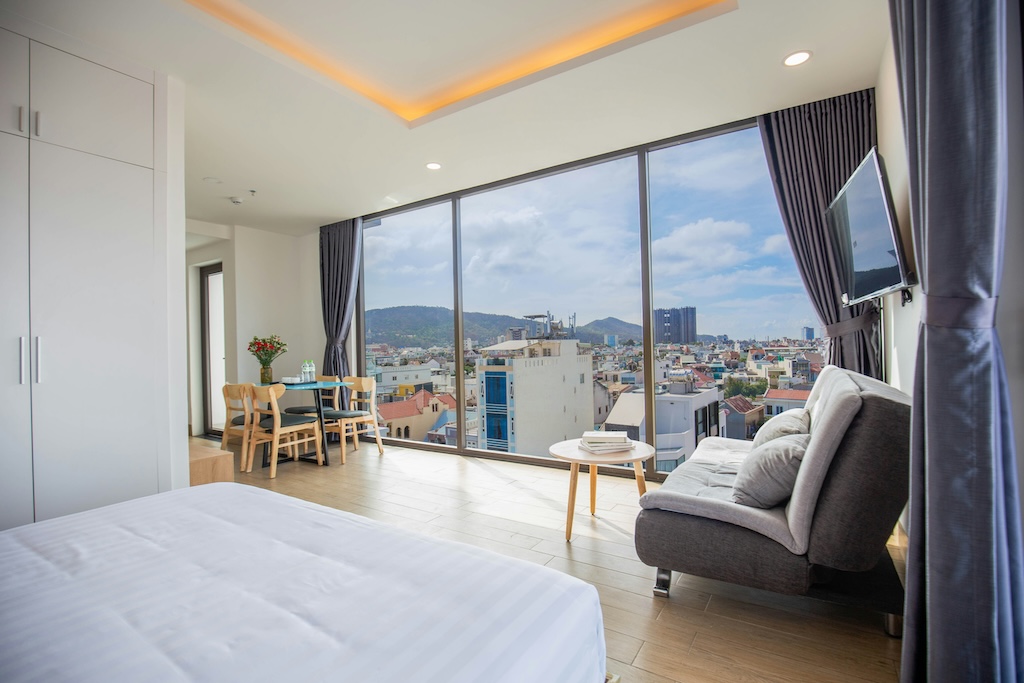
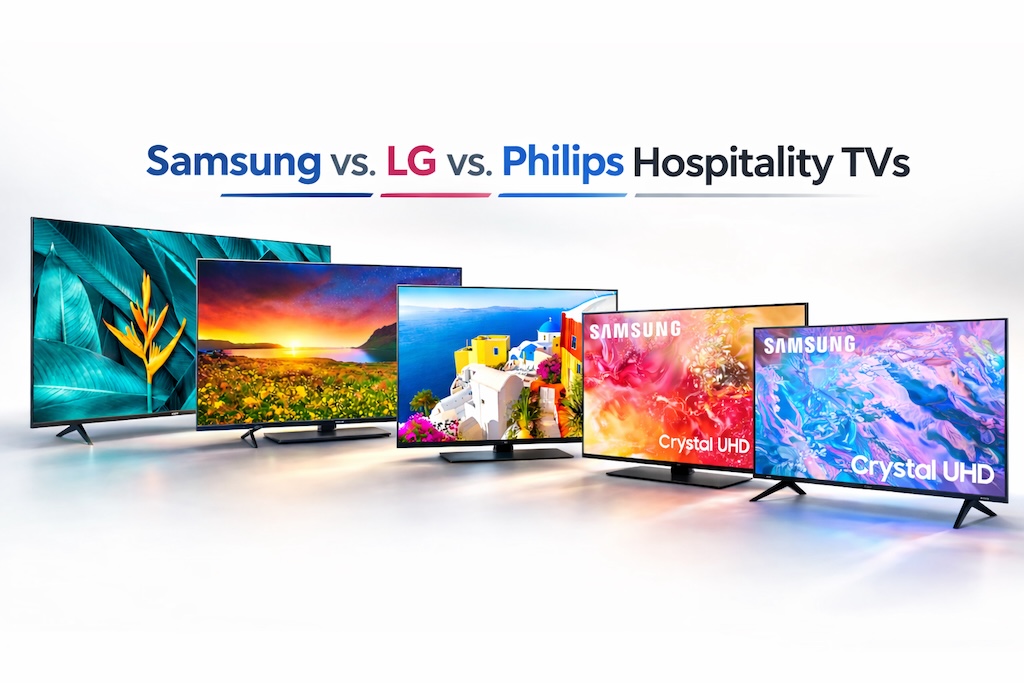
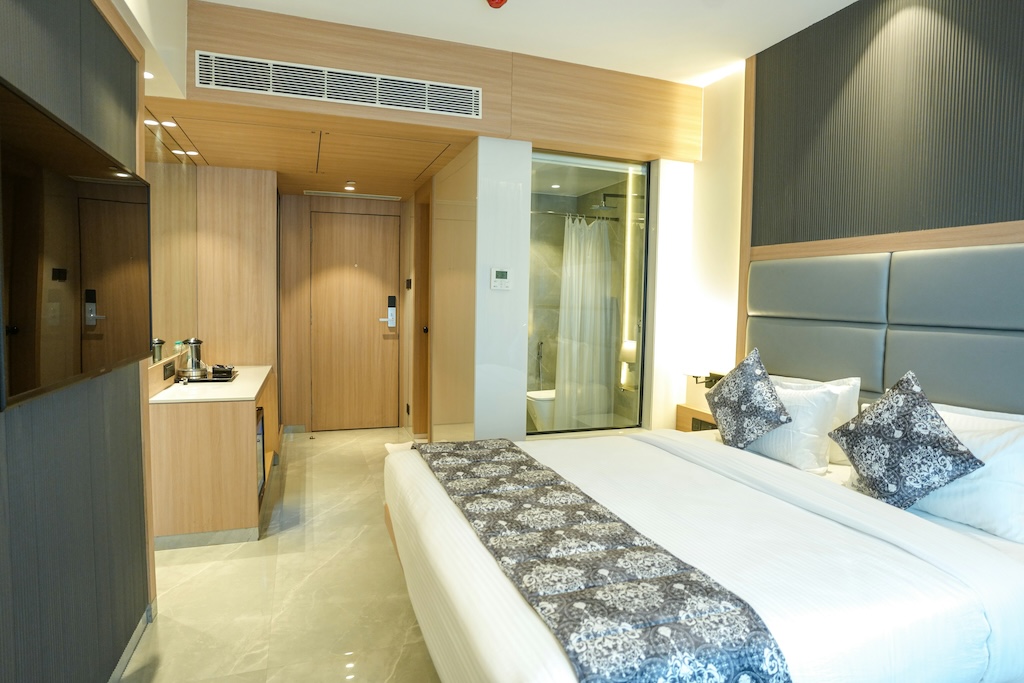
The in-room TV remains the centerpiece of guest room entertainment, but it has evolved into something more than a display. Hospitality TVs are built for commercial environments where consistency, durability, and centralized control matter.
They allow hotels to manage content, maintain brand standards, and deliver a consistent experience across every room. A well-configured system can support welcome messaging, property information, channel guides, and integrations with casting platforms or content management tools.
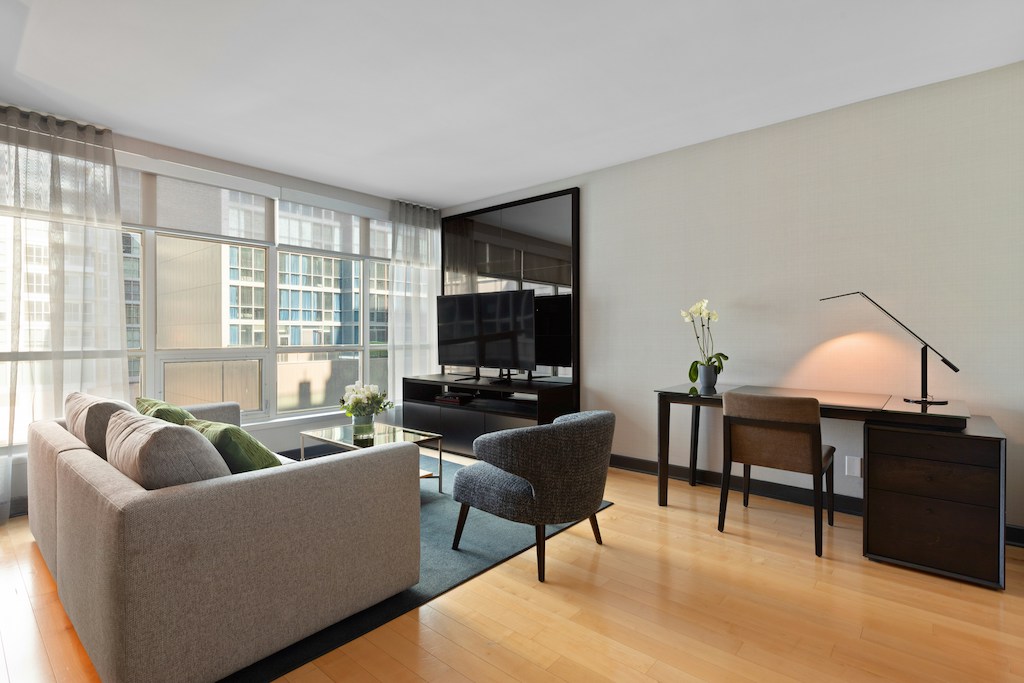
Screen size also plays a role. As guests grow accustomed to larger screens at home, expectations naturally follow them into the hotel room. An outdated or undersized TV can subtly undermine the perceived quality of the entire space.
Casting and Streaming Are Now Core Expectations
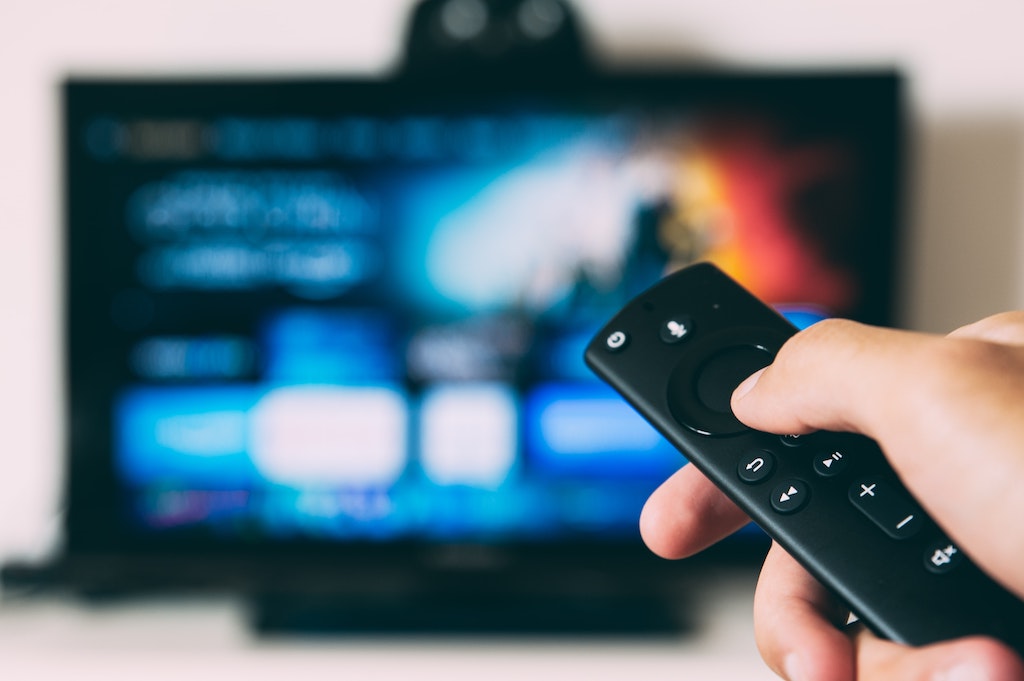
If the TV is the foundation, casting is quickly becoming the centerpiece of the experience. Guests no longer want to browse unfamiliar menus or log into shared systems. They want to access their own content, quickly and securely.
Hospitality-grade casting solutions are designed specifically for this environment. Unlike consumer devices, they account for shared networks, multiple rooms, and the need for privacy. The result is a system where guests can connect their device, stream their content, and disconnect without leaving any trace behind.
The difference between a good and a frustrating experience often comes down to a few details: how easy it is to connect, whether the system feels secure, and whether it works reliably the first time. When those elements align, the technology fades into the background and the experience feels effortless.
Wi-Fi and Network Infrastructure Make or Break the Experience
Even the best TVs and casting systems depend on one critical factor: connectivity. Without a strong Wi-Fi network, the entire entertainment experience begins to fall apart.
Streaming, screen mirroring, and app-based interfaces all require consistent bandwidth and thoughtful network design. Guests may not think about infrastructure directly, but they immediately notice when content buffers, connections drop, or interfaces lag.
Behind the scenes, successful setups usually share a few traits:
Strong in-room coverage with properly placed access points
Enough bandwidth to support multiple devices per guest
Secure network segmentation to prevent cross-room interference
Scalable systems that can handle peak demand
When these elements are in place, everything else works better.
Security and Privacy Are Not Optional
Guest room entertainment is closely tied to personal data. Whether it’s streaming accounts, paired devices, or general internet usage, guests expect their information to remain private.
That makes security a non-negotiable part of any solution. Systems should isolate devices by room, avoid storing credentials, and automatically clear sessions at checkout. Anything less introduces unnecessary risk, for both the guest and the property.
This is one area where cutting corners tends to backfire. Guests may not notice strong security, but they will notice when something feels off.
Entertainment Also Supports Hotel Communication
Beyond content, the in-room TV can serve as a communication channel between the hotel and the guest. Instead of relying solely on printed materials, hotels can use the screen to share timely, relevant information.
This might include amenity details, dining hours, local recommendations, or checkout instructions. Because the content can be updated centrally, it stays accurate and consistent across the property.
Used thoughtfully, this turns the TV into part of the guest journey rather than just a passive feature in the room.
Choosing the Right Entertainment Setup
There is no one-size-fits-all solution for guest room entertainment. A limited-service hotel, a luxury resort, and an extended-stay property all have different needs and guest expectations.
Rather than focusing on individual products, it’s more useful to think in terms of alignment. The technology should match the guest profile, the brand standards, and the operational capabilities of the property.
A few guiding questions can help shape that decision:
What do our guests actually expect when they walk into the room?
How important is streaming and casting to their experience?
Can our current infrastructure support modern usage?
Will this system simplify operations or create more support issues?
Clear answers to these questions tend to lead to better long-term decisions.
Common Mistakes To Avoid
When hotels upgrade their entertainment systems, a few patterns show up repeatedly. The most common is treating the TV as a standalone purchase rather than part of a broader system.
Other frequent missteps include underestimating the importance of Wi-Fi, relying on consumer-grade hardware, or implementing solutions that are technically capable, but difficult for guests to use.
At a high level, most issues fall into three categories:
Overlooking infrastructure (especially network performance)
Overcomplicating the guest experience
Undervaluing security and privacy
Avoiding these pitfalls is often less about spending more and more about planning more carefully.
The Future of Hotel Guest Room Entertainment
Guest expectations will continue to evolve, but the direction is clear. Entertainment is becoming more personalized, more connected, and more dependent on the guest’s own ecosystem of devices and content.
For hotels, the goal is not to replicate every feature of a home setup, but to remove friction and provide a seamless, flexible experience. When the technology works intuitively, guests notice the comfort, not the system behind it.
In that sense, the most successful entertainment strategies are the ones that feel invisible.
Need Help Upgrading Guest Room Entertainment?
Transworld helps hotels, ownership groups, developers, and hospitality teams source and implement technology products that support modern guest expectations. From hospitality TVs and casting solutions to accessories, appliances, climate control, and project logistics, the right approach to guest room entertainment can enhance both the guest experience and day-to-day operations.
Whether you are renovating rooms, opening a new property, or aligning with brand standards, a well-designed entertainment strategy is a key part of delivering a modern hospitality experience.
Contact our hospitality tech product experts to find out more.