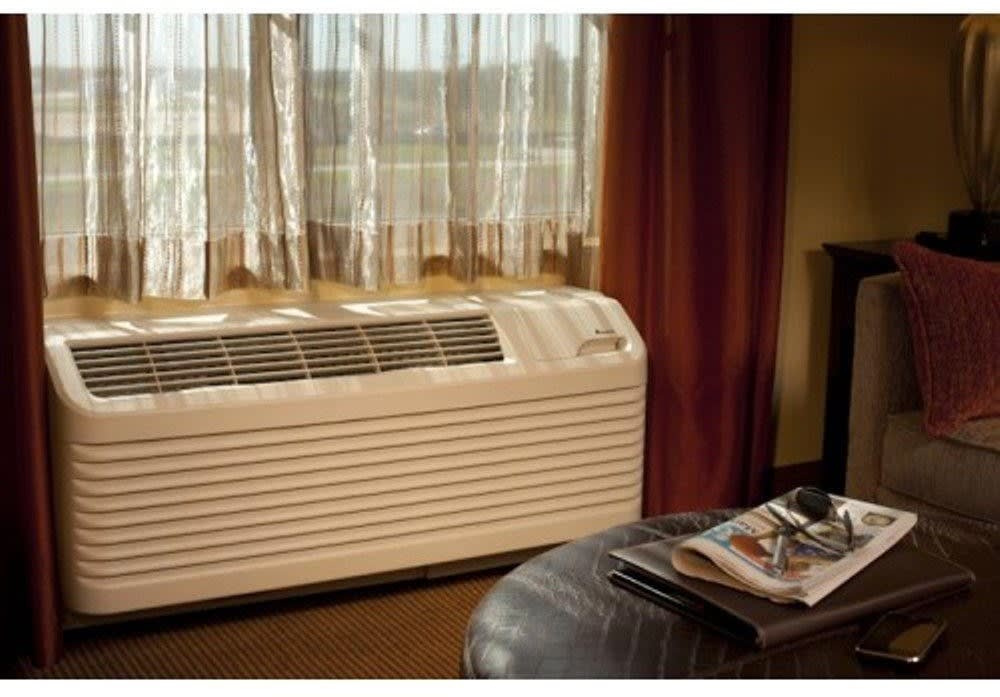
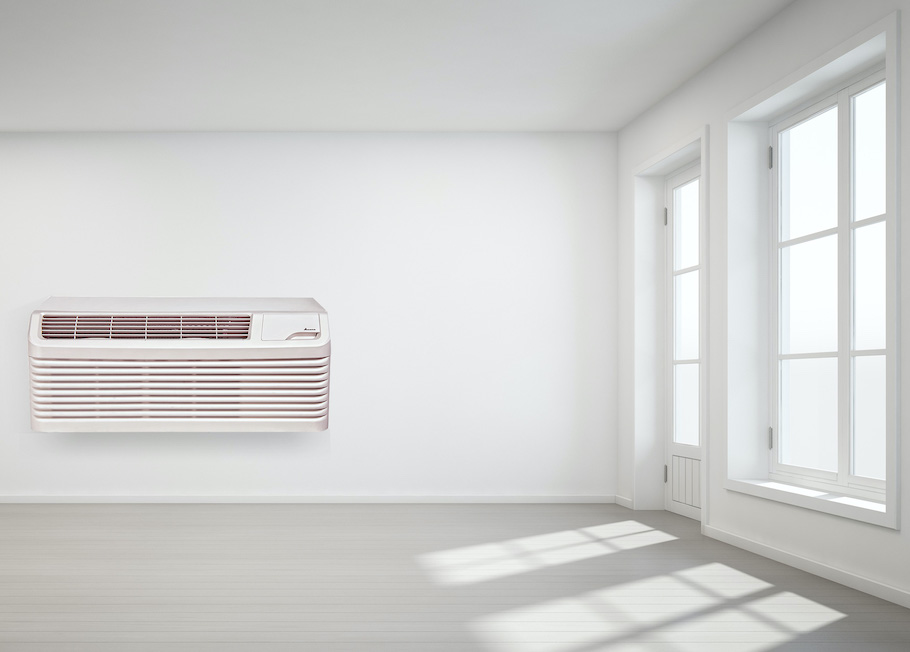
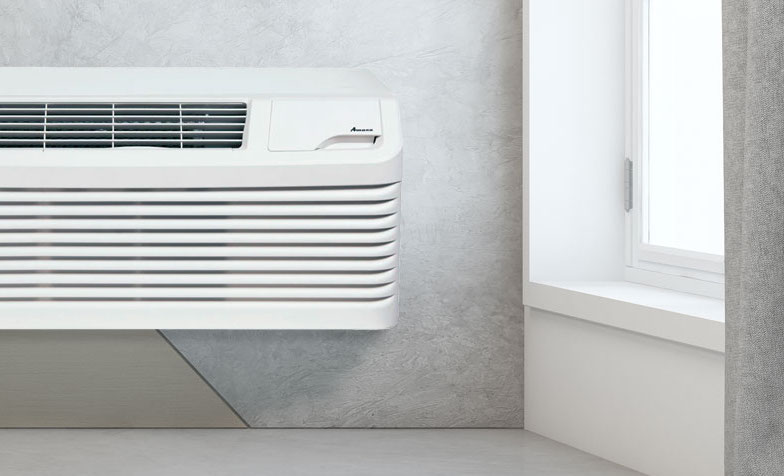
Noise complaints are one of the fastest ways for hotels and hospitality properties to lose guest satisfaction. When guests check into a room, they expect comfort, climate control, and, most importantly, a quiet environment for rest. Unfortunately, loud or poorly designed PTAC units (Packaged Terminal Air Conditioners) can interrupt sleep, create constant background noise, and lead to negative reviews. Even a small mechanical hum or sudden startup sound can make a room feel uncomfortable.
Research on hotel noise levels shows that guests place a high value on quiet guest rooms and may even pay a premium for accommodations with better sound control. The good news is that modern hospitality PTAC units are significantly quieter than older models, thanks to advancements in fan design, insulation, compressor technology, and airflow engineering.
If you want to avoid noise complaints and improve the guest experience, here are seven essential PTAC features to look for when selecting equipment for your property.
1. Advanced Compressor Design for Quieter Operation
One of the main contributors to PTAC noise is the compressor. Older units often rely on compressors that start abruptly and operate at a constant speed, producing noticeable mechanical sounds.
Newer high-efficiency compressors are designed to operate more smoothly and quietly. These systems can regulate their output more gradually, reducing sudden start-up noise and vibration.
Benefits include:
Reduced startup noise
Less vibration inside the unit cabinet
Smoother airflow transitions
More consistent room temperature control
In a hospitality environment where guests may be sleeping, reading, or working, even small improvements in compressor technology can dramatically improve perceived room comfort.
2. Multi-Speed or Variable Fan Motors
Another major factor influencing PTAC noise levels is the fan motor and blower assembly. Traditional units typically operate at one or two speeds. When the system cycles on and off, guests often hear a noticeable surge of airflow. This sudden change can be disruptive, especially overnight.
Modern PTAC units often include multi-speed or variable-speed fan motors, which allow the system to ramp airflow up or down gradually.
Advantages of multi-speed fan systems include:
Reduced sudden noise spikes
More stable airflow and room comfort
Lower perceived sound levels during operation
Improved energy efficiency
Some newer blower designs also use tangential fan wheels, which distribute air across a broader surface area and reduce turbulence noise.
3. Integrated Acoustic Insulation
Acoustic insulation plays a major role in reducing mechanical noise inside PTAC cabinets.
Many modern hospitality PTAC models include internal sound dampening materials that absorb vibrations and reduce operational noise before it reaches the guest room.
Examples of sound-reducing insulation features include:
Heavy-duty mastic barriers
Acoustic foam lining inside the cabinet
Insulated compressor compartments
Sound-absorbing materials around fan assemblies
Some manufacturers design their PTAC units with specialized insulation layers specifically intended to reduce transmitted noise. For hotels and resorts, this extra insulation can significantly reduce the humming or vibration guests might otherwise hear.
4. High Sound Transmission Class (STC) Ratings
When evaluating quiet PTAC units, another important specification is STC (Sound Transmission Class). STC measures how effectively a system blocks sound from passing through walls or mechanical components. Higher STC ratings typically indicate better sound isolation.
For hospitality environments, PTAC units with higher STC ratings help:
Prevent outdoor noise intrusion
Reduce compressor vibration transfer
Maintain quieter guest room environments
Some PTAC models designed specifically for hotels include enhanced sound insulation to achieve higher STC performance and quieter operation overall.
5. Balanced Airflow and Improved Fan Blade Design
Air movement itself can also generate noise if airflow paths are poorly designed. Modern PTAC systems improve airflow acoustics by incorporating:
These engineering improvements help move air more efficiently while reducing whistling, vibration, and turbulence noise.
The result is a quieter airflow profile, even when the unit operates at higher cooling or heating capacities.
6. Smart Controls and Gradual Start Technology
Another reason older PTAC units can feel noisy is their abrupt cycling behavior. When traditional systems reach the desired temperature, they shut off completely and later restart at full power. This creates sudden noise spikes that can wake guests during the night.
Many modern PTAC systems include smart thermostats and gradual start technology, allowing the system to:
Adjust output more gradually
Maintain steady temperature levels
Reduce sudden startup sounds
Avoid large temperature swings
This results in a more consistent and quieter guest room environment, which is especially important during overnight operation.
7. Proper PTAC Installation and Wall Sleeve Design
Even the quietest PTAC unit can become noisy if it is installed improperly.
Installation plays a crucial role in overall sound performance. Poorly sealed wall sleeves or loose mounting can allow vibration to transfer directly into the wall or furniture.
Key installation considerations include:
Tight wall sleeve fitment
Proper vibration isolation
Secure cabinet mounting
Sealed wall openings to prevent sound leakage
Attention to installation details ensures the unit operates as quietly as intended.
Why Quiet PTAC Units Matter for Guest Satisfaction
Noise and room comfort consistently rank among the most common hotel guest complaints. Studies show that dissatisfaction with room noise can significantly impact guest loyalty and repeat bookings.
Hotels that invest in quiet PTAC systems often benefit from:
Better guest reviews
Improved sleep quality for guests
Fewer maintenance complaints
Higher perceived room quality
In many cases, upgrading older PTAC units to modern models provides both quieter operation and improved energy efficiency, making it a win for guests and hotel operators alike.
Choosing the Right Quiet PTAC for Your Property
When evaluating PTAC units for hospitality environments, look for models that combine:
By prioritizing these features, hotel owners and property managers can dramatically reduce guest room noise levels and avoid one of the most common sources of guest complaints.
Rebate Program for Heat Pump PTACs
Is your hospitality business looking to upgrade your current Heat Pump PTACs? If so, you could be eligible for our massive PTAC / AC units rebate program, depending on the state. Find out more in the following links:
Michigan PTACs Rebate Program
New Hampshire PTACs Rebate Program
Colorado PTACs Rebate Program
Questions About Hotel PTAC Units or Other Hospitality Tech Products?
Feel free to contact our hospitality technology products team directly. We're happy to help with any inquiries you have and point you in the right direction.
Supplemental Info: Here's a list of ways to avoid costly mistakes when renovating hotel rooms. Check it out and see what you can do to mitigate blowing up your renovation budget.